2026 Top Palestinian Products for Global Buyers
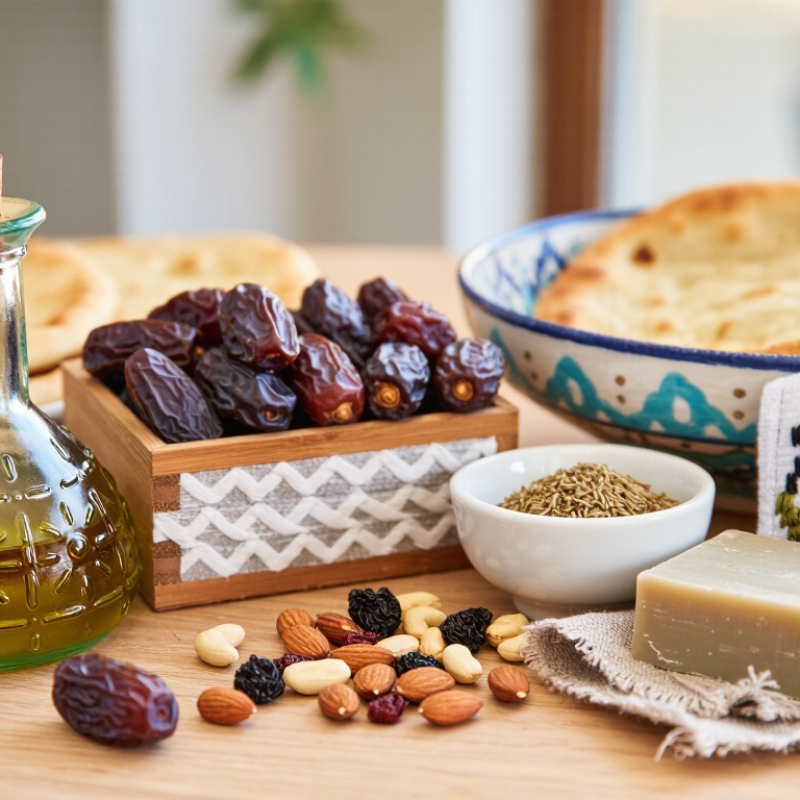
Global buyers are looking beyond familiar commodities in 2026. They want products with clear origins, responsible production, and practical value. palestinian products offer that connection through olive oil, dates, za’atar, embroidery, ceramics, soaps, and handmade foods.
Nasser Abufarha, founder of Canaan Palestine, has said, “We believe in the power of small-scale farmers to change the world.” This idea helps explain the market’s growing appeal. A glass bottle of extra virgin olive oil can carry the scent of freshly pressed olives. A box of Medjoul dates can show careful grading, clean packaging, and traceable sourcing. Hand-stitched embroidery can preserve patterns passed through generations.
Yet the opportunity is not simple. Buyers must check certificates, ingredient lists, shelf-life data, customs rules, and ethical supply-chain practices. Product stories matter, but documentation matters more. This is where some sellers still need improvement. Claims about origin or sustainability should be specific, verifiable, and modest.
This guide examines leading Palestinian products for international buyers in 2026. It considers quality, packaging, export readiness, cultural value, and responsible purchasing. It also recognizes practical limitations, including changing logistics and uneven access to international distribution. Not every attractive product is ready for every market.
The strongest choices combine authentic craftsmanship with consistent standards. They respect local producers while meeting global expectations. For importers, retailers, and thoughtful consumers, Palestinian products can offer more than commercial appeal. They can create a direct connection between daily purchasing and Palestinian agricultural, culinary, and artistic traditions.
Olive Oil: 2024 PCBS Export Values and FAOSTAT Production Trends
For global buyers, Palestinian olive oil is best assessed through two separate lenses: export value and agricultural output. The Palestinian Central Bureau of Statistics (PCBS) reports trade values, while FAOSTAT tracks production indicators over time. These figures answer different questions. A higher export value may reflect prices, product mix, or shipment volumes; it does not automatically mean more oil was produced. Check the reporting year, currency, units, and product category before comparing figures. Small differences in definitions can distort a chart.
FAOSTAT production trends can help place trade data in context. Olive harvests vary with rainfall, tree conditions, and alternate bearing, so one season may look unusually strong or weak. Production is not the same as exportable supply: local consumption, storage, processing, and shipment timing also matter. A careful buyer should compare several years, not rely on a single headline number. Data can lag, too. That deserves attention.
Tips: Verify the original PCBS table and FAOSTAT series, then note the exact years and units. Ask suppliers for harvest-year details, origin documentation, and recent quality-test results. Treat broad market estimates cautiously; even official datasets may be revised or use different classifications.
Stone and Marble: ITC Trade Statistics on Palestine’s Leading Export Sector
Stone and marble remain central to Palestine’s export profile, valued for their durability, varied colors, and skilled finishing. International Trade Centre (ITC) trade statistics help buyers examine this sector through reported export values, quantities, and destination markets. These figures offer a useful starting point, not a complete picture of every quarry or workshop.
For global buyers, the data can reveal where demand is concentrated and how shipments change over time. Compare several years, product categories, and partner markets before making decisions. A rise in export value may reflect higher prices, larger volumes, or both. Check the unit values carefully. They do not always describe the quality of a specific slab.
Stone is tangible. Trade data is not.
Palestinian limestone and marble may suit flooring, cladding, steps, and custom architectural details. Ask suppliers for current quarry information, finish samples, dimensions, and packing details. Confirm lead times and inspect material where practical. ITC statistics support market research, but reporting periods and product classifications can differ. The numbers can be incomplete, too. Treat them as evidence to question and verify, alongside direct supplier documentation and project requirements.
Palestine’s Stone and Marble Exports: ITC Trade Statistics
Stone and marble are among Palestine’s leading export sectors. This chart is intentionally left without numerical values: export figures depend on the selected year and HS product codes, and no specific period or product-level ITC Trade Map figures are provided here. Consult ITC Trade Map for verified values before comparing exports.
Traditional Soap: PCBS Trade Data, Olive-Based Inputs, and Buyer Demand
Palestinian traditional soap enters global markets with a clear material story: olive oil, alkaline salts, water, and patient curing. Buyers should look beyond heritage claims. Ask suppliers for ingredient specifications, batch records, moisture levels, and consistent carton weights. Small details matter. A bar that softens during a humid sea journey can arrive looking very different from its sample.
PCBS Foreign Trade Statistics organizes merchandise flows by commodity classifications, including HS 3401 for soap and related products. That category is broader than traditional olive-oil soap, so it should not be treated as a standalone measure of Palestinian soap exports. Buyers can use PCBS data to check reported trade patterns, then confirm product type, origin, and shipment details directly with exporters. The distinction is easy to miss.
Olive-based inputs also reflect a wider, variable supply chain. The International Olive Council’s 2023/24 estimates put global olive-oil production at about 2.56 million tonnes, down from roughly 4.08 million tonnes in 2022/23. Such swings can affect input availability and pricing, though they do not predict the cost of any single Palestinian soap shipment. Request current quotations and production lead times. And leave room for uncertainty: harvests, curing schedules, and transport conditions can all shift.