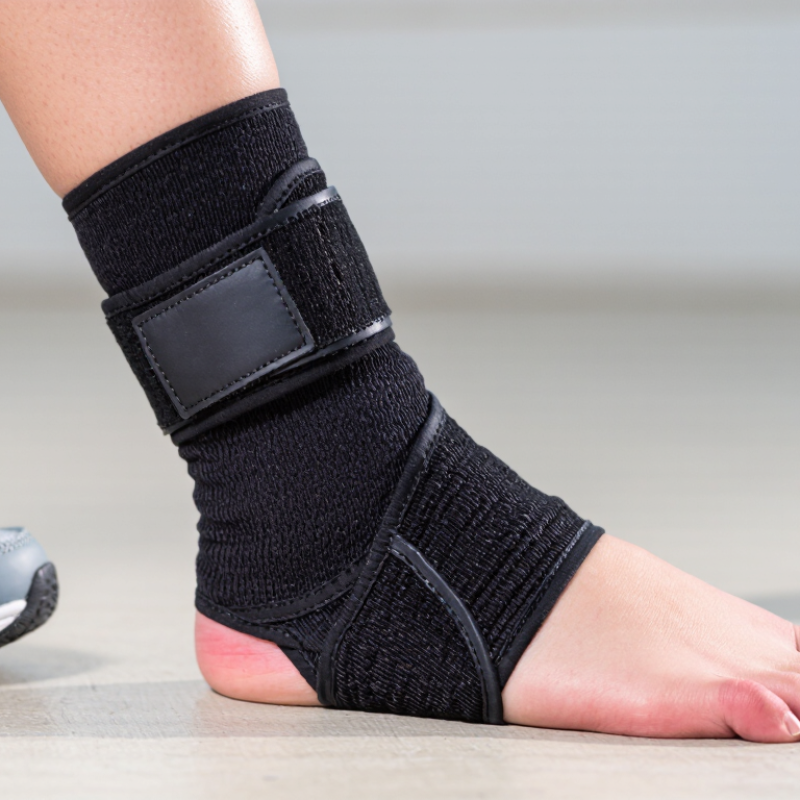
| Compression Level | Light compression is commonly about 8–15 mmHg, moderate compression about 15–20 mmHg, and higher levels may range from 20–30 mmHg or more. | Compression can help limit swelling and support fluid return, but the appropriate pressure depends on the user’s condition and medical needs. | Choose light compression for everyday support. Consider moderate or higher compression only with guidance from a qualified healthcare professional. |
| Adjustability | Look for wide hook-and-loop straps or a wrap design that allows tension to be adjusted in small increments. | An adjustable fit can accommodate changes in swelling and helps prevent the wrap from being excessively tight. | Prioritize adjustability when ankle size changes during the day or when a precise fit is important. |
| Fit and Sizing | Use the manufacturer’s measurement method, which may include ankle circumference, foot circumference, or shoe size. | A wrap that is too loose may provide limited support, while one that is too tight may cause discomfort or restrict circulation. | Measure the ankle as instructed and select a design that sits smoothly without bunching or slipping. |
| Material and Breathability | Common materials include nylon, polyester, elastane, neoprene, cotton blends, and moisture-managing knitted fabrics. | Breathable, moisture-managing materials can improve comfort during extended wear and physical activity. | Choose a lightweight, breathable fabric for warm conditions; consider neoprene when warmth and cushioning are preferred. |
| Support Level | Features may include elastic compression, stabilizing straps, padded panels, or semi-rigid supports. | Different designs provide different levels of movement control and protection. | Use a flexible wrap for mild support and mobility. Select stabilizing features when additional control is needed, subject to professional advice. |
| Range of Motion | The wrap should support the ankle without unnecessarily limiting normal walking or comfortable movement. | Excessive restriction can affect gait and may make everyday activities more difficult. | For daily wear, choose a low-profile design that allows comfortable ankle flexion unless immobilization is specifically prescribed. |
| Seam and Edge Design | Look for flat seams, smooth edges, and a surface that does not create pressure points. | Reduced friction helps lower the risk of rubbing, skin irritation, and discomfort under footwear. | Inspect the inside of the wrap and avoid designs that pinch, roll, or create concentrated pressure. |
| Ease of Application | A simple wrap pattern, clearly marked straps, and one-handed fastening can make application easier. | Correct placement is essential for consistent support and comfortable compression. | Choose a design that can be applied evenly without excessive force, especially if hand strength or mobility is limited. |
| Wear Under Footwear | Low-profile construction and minimal bulk around the heel and ankle are useful for use with shoes. | A bulky wrap may cause pressure inside footwear and can discourage consistent use. | For work, walking, or sports shoes, select a thin design and check the fit with the footwear you normally wear. |
| Skin Comfort | Choose soft, non-abrasive fabric and avoid materials that trigger known sensitivities. | Continuous moisture, friction, or excessive pressure may contribute to skin irritation. | Wear over clean, dry skin, check the area regularly, and discontinue use if persistent redness, numbness, or pain develops. |
| Care and Durability | Look for reinforced stitching, secure fasteners, and clear washing instructions. | Repeated washing and stretching can reduce elasticity and weaken closures over time. | Follow the care label, avoid high heat unless permitted, and replace the wrap when it loses shape or no longer fastens securely. |
| Intended Use | Common purposes include daily swelling support, activity-related support, recovery assistance, and travel comfort. | A wrap designed for light daily support may not provide the stability required for a significant injury. | Match the design to the activity and purpose rather than choosing solely by appearance or compression rating. |
| Safety Considerations | Do not use excessive compression or continue wearing the wrap if it causes increasing pain, tingling, numbness, unusual coldness, or discoloration. | These symptoms can indicate that the wrap is too tight or that medical evaluation is needed. | Seek professional advice before using compression for unexplained swelling, circulation problems, reduced sensation, open wounds, or after a serious injury. |