20% off Demo Text

2026 Best Damask Labels for Clothing Brands?

For clothing brands, a label is often the first detail customers touch after the fabric. Damask Labels can reproduce fine lettering and compact logos through tightly woven threads, making them a practical choice for neck labels, waistbands, and premium basics. But a polished sample does not guarantee a comfortable label after repeated wear. Yarn density, backing, cut edges, and placement all matter. Small detail. Big signal.

Market context also matters. The McKinsey & Company and Business of Fashion report The State of Fashion 2025 projected modest global fashion-industry growth of 2–4% for that year. That forecast is not a label-performance study, and it does not predict which supplier will suit a particular brand. It does, however, underline why product details should earn their place through clear value. For a 2026 buying decision, compare woven clarity, color consistency, hand feel, minimum order quantities, and wash-test results—not just price or a glossy sample card. Ask suppliers how they check production batches, and request samples in the intended size and fabric. A soft label on a swatch can feel different when sewn into a finished garment. There is no universal best option. That part is easy to overlook. This guide examines the features that distinguish reliable Damask Labels and the questions brands should ask before ordering.

2026 Best Damask Labels for Clothing Brands?

What Damask Labels Are and How They Identify Clothing Brands

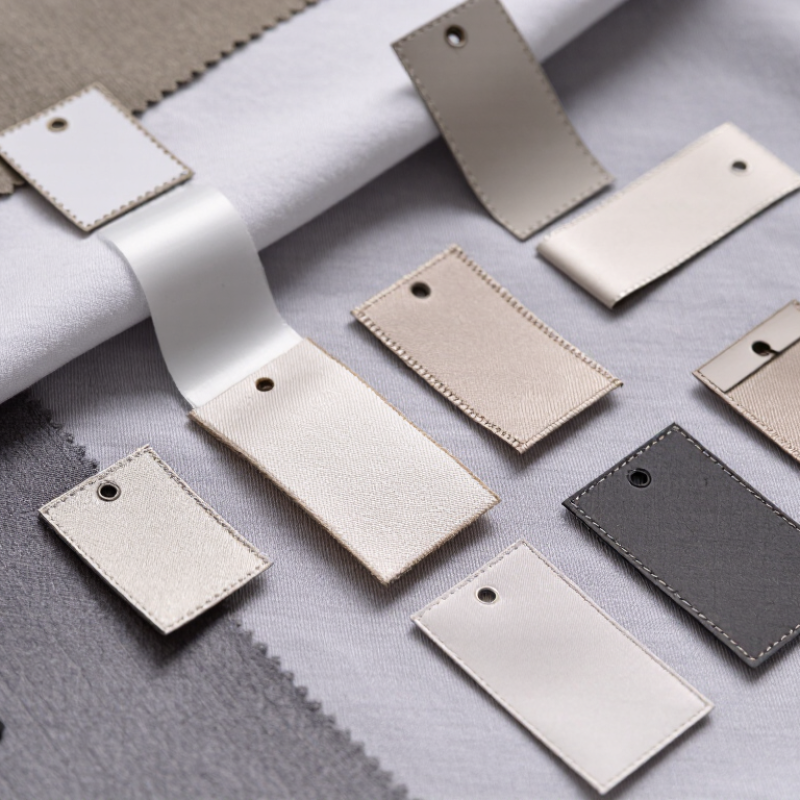
A damask label is a woven fabric label, not a printed patch. Fine warp and weft yarns create its lettering and small graphics directly in the cloth. This construction can hold crisp details while staying flexible against a garment. It is commonly sewn into a neckline or side seam, where a name, emblem, or size helps shoppers recognize the maker. The woven surface also gives a tactile cue: raised threads, a soft edge, and a subtle sheen. Small detail. Big signal.

For clothing brands, the label works as a compact identity marker, but it should remain readable after handling and washing. Choose lettering with enough contrast, and test the finished label on the actual fabric; dark thread can disappear against a dark garment. Fashion Revolution’s 2023 Fashion Transparency Index assessed 250 major fashion companies and reported an average transparency score of 26%. That figure measures public disclosure, not label quality, but it shows why clear product information matters. A damask label can carry a brand name alongside size or care details, yet it cannot prove where a garment was made or how it was produced. That distinction is easy to overlook. Check legibility, comfort, and placement on a sewn sample before approving a production run.

2026 Best Damask Labels for Clothing Brands? - What Damask Labels Are and How They Identify Clothing Brands

Dimension What It Means How It Helps Identify a Clothing Brand
Label construction A damask label is a woven label. Its lettering and artwork are formed by interlacing yarns rather than printing an image onto a finished surface. Woven text and symbols can display a brand name, logo, size, or other identifying details as part of the fabric label.
Weave and detail Damask weaving can produce fine text and detailed graphics. The achievable detail depends on the design, yarns, and weaving specifications. Distinctive lettering, symbols, and layout can make a garment’s label recognizable. Very small details should be checked in a physical sample.
Material Polyester yarn is commonly used for damask labels, though the word “damask” describes the weave, not a single required fiber. Material and finish influence appearance and feel, but neither confirms a garment’s brand or authenticity on its own.
Surface and feel Damask labels are often smooth and relatively fine in appearance. The exact softness and texture vary with the yarn and construction. A consistent label texture can contribute to a garment’s overall presentation, alongside its wording, design, and placement.
Label format Common formats include flat labels and folded labels, such as center-fold or end-fold styles. The choice affects how the label is attached and displayed. Placement and format can help shoppers locate information such as the maker’s identity, size, or care instructions.
Information shown A clothing label may include a brand or maker name, size, fiber composition, care instructions, country of origin, or other details, depending on the garment and applicable rules. These details help identify and describe a garment. Required labeling information varies by product and sales market.
Damask versus printed labels Damask designs are woven into the label; printed designs are applied as ink or another surface treatment. Both types can carry identifying information. The construction can help distinguish the label type, but a woven label alone is not proof that a garment is genuine.
Design suitability Clear lettering, adequate contrast, and appropriately sized details generally make woven label artwork easier to read. Readable, consistent label details make identification more useful. Review the finished sample for legibility before approving production.
Care and durability Performance depends on the yarn, weave, finishing, attachment, and garment-care conditions. Follow the garment’s care instructions. A label that remains legible through normal use can continue to provide identifying and garment-care information.
Authenticity check Label appearance is only one piece of information. Labels can be copied, replaced, or removed. For authentication, consider multiple details—such as construction, product documentation, and other garment features—rather than relying on a damask label alone.

Selection note: The most suitable damask label depends on the artwork, required information, garment construction, intended feel, and applicable labeling rules. Confirm specifications and legibility with a physical sample.

How Damask Labels Are Woven, Finished, and Applied

2026 Best Damask Labels for Clothing Brands?

Damask labels are woven, not simply printed onto fabric. During weaving, warp threads run lengthwise while weft threads cross them to form text and artwork. Dense construction can produce crisp lettering and a smooth hand feel. Very small type may still lose clarity, so inspect a physical sample at its actual size. A screen preview is not enough.

After weaving, labels are cut and finished to suit their use. Heat-cut edges can limit fraying, while folded ends help create a neater seam finish. The right choice depends on placement, fabric, and skin contact. Before approval, check edge softness, color consistency, and legibility under ordinary indoor light. One detail is easy to overlook: a label that looks refined can feel bulky inside a lightweight shirt. Sew-in labels are commonly attached at the neck or side seam; confirm the fold and seam allowance with a sample garment.

Tips: Send clear artwork, finished dimensions, and placement details. Wash-test a sample with the garment fabric. Check it again after drying. Small lettering may need simplifying, even when the original design looks perfect on screen.

What to Compare When Choosing Damask Labels in 2026

When comparing damask labels in 2026, start with the garment and the information the label must carry. Check whether small care symbols, fine lettering, and narrow spacing remain legible in the actual woven sample. Fine detail matters. A dense weave can sharpen text, but the finished label should still feel comfortable against skin. Ask for the fiber content, available folds, finished dimensions, and edge options before approving a size.

Compare samples, not just product photos. Screen images can hide stiff edges, muted colors, or lettering that looks crowded at real scale. Rub the label gently, bend it, and sew it into a similar fabric. Then wash the garment according to its intended care instructions and inspect for fraying, distortion, or fading. One wash is useful, but it does not prove long-term durability. Request test details when durability is important.

Also weigh minimum order quantities, sampling time, and repeat-order consistency alongside unit price. A lower quote may not include the same weave density, finishing, or packaging. A higher thread count is not automatically better; readability and hand feel matter more. I would not choose from a specification sheet alone. It is easy to overlook comfort when a sample looks perfect on a table.

Damask Label Options for Different Brand Needs and Garments

Damask Label Options for Different Brand Needs and Garments

Damask labels use tightly woven threads to keep small lettering and fine symbols legible. They suit neck labels, care details, and subtle size marks. For soft T-shirts, a narrow label with folded edges can reduce scratching. Jackets and denim can take wider labels, denser weaves, and stronger contrast. A label that feels fine on a desk may feel rough against skin. Test it on the actual garment.

Textile Exchange’s Materials Market Report 2024 estimates global fiber production reached 124 million tonnes in 2023, with polyester making up 57 percent. The report covers fibers, not label performance, but the figures show polyester’s broad role in textiles. Polyester damask is a practical option for detailed designs and frequent washing; still, thread quality, weave density, and finishing affect the result. For delicate garments, request a softer finish and check the label after laundering. Small samples can mislead.

Tip: Match the fold to the seam. Center folds fit side seams; end folds work well at necklines. Ask for a sample in the intended size, then check readability, edge feel, and wash durability. Do not assume the densest weave is always the most comfortable.

How to Specify Custom Designs, Materials, and Supplier Requirements

A damask label should be specified as a small woven product, not just a logo file. Define finished width and height, fold type, seam allowance, and placement before requesting a quote. Supply vector artwork with minimum line widths and clear lettering; very fine strokes can close up in dense weaving. Choose polyester for crisp detail and consistent color, or compare other yarn options when fiber content matters. Textile Exchange’s Materials Market Report 2024 estimates global fiber production reached 124 million tonnes in 2023. That scale makes material traceability worth discussing with suppliers, even for small label orders.

Ask for the weave construction, yarn composition, color-matching method, and a physical preproduction sample. Specify wash conditions, edge finish, attachment method, and inspection criteria. For example, request a sample sewn into the actual garment, then check legibility after laundering and repeated handling. Small details matter. Agree on measurable tolerances for dimensions and color, and clarify how defects are counted. Request documentation for any recycled-content claim; do not rely on a verbal assurance. Supplier lead times and minimum order quantities can change with yarn availability, so confirm both in writing. One imperfect part of the process is that a digital proof cannot fully predict woven color or texture. Approve the physical sample under realistic lighting.

2026 Best Damask Labels for Clothing Brands

Example finished widths to consider when specifying a custom woven label

The widths shown are practical example dimensions, not a universal standard. Choose a finished size that suits the garment and artwork, then ask the supplier to confirm fold type, edge finish, yarn colors, and minimum readable text size. Polyester yarn is commonly used for woven damask labels; specify the exact material and any recycled-content requirement in the quote, and approve a physical sample before production.

Article Source: