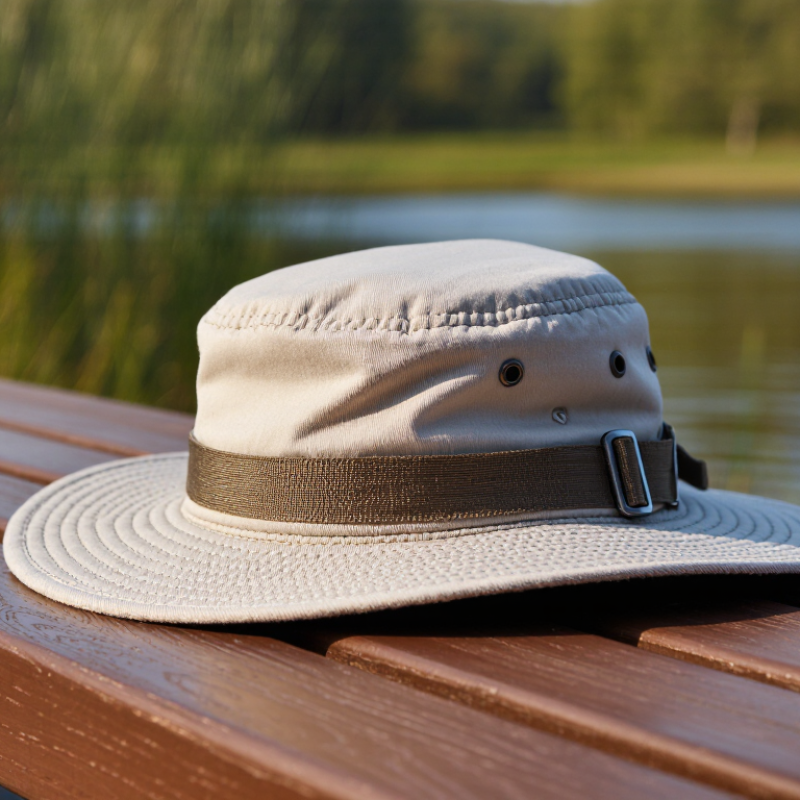
| Basic Definition | A dad fishing hat is usually a relaxed, unstructured, low-profile baseball-style cap adapted for outdoor use. | It combines casual appearance with basic protection from sunlight and glare. | Choose this style for everyday fishing, walking, travel, and other low-impact outdoor activities. |
| Crown Structure | Most designs have a soft or lightly structured crown rather than a rigid, high crown. | A softer crown generally feels more comfortable and packs more easily. | Look for a gently curved shape that stays comfortable without pressing against the forehead. |
| Brim Shape | A curved brim commonly measures about 6 to 8 cm from the front of the crown to the edge. | The brim helps shade the eyes and upper face while maintaining a familiar casual profile. | Select a longer, well-shaped brim when fishing in strong sunlight or near reflective water. |
| Common Materials | Cotton is breathable and comfortable; polyester dries quickly; nylon is lightweight and often abrasion-resistant; blends balance several properties. | Material affects drying time, ventilation, durability, and comfort in changing weather. | Choose breathable natural or blended fabric for mild conditions and quick-drying synthetic fabric for humid or wet environments. |
| Moisture Management | Sweatbands and moisture-wicking fabrics help move perspiration away from the skin. | Keeping sweat away from the eyes improves comfort and concentration during long periods outdoors. | Prefer a soft, absorbent sweatband and avoid fabric that remains damp for a long time. |
| Ventilation | Small ventilation eyelets or breathable panels allow heat and moisture to escape. | Improved airflow can reduce heat buildup around the head. | Use ventilated designs in warm weather, but avoid openings that compromise comfort in cold or windy conditions. |
| Sun Protection | A cap shades the eyes and part of the face, but it does not fully cover the ears, neck, or sides of the face. | Direct sunlight can cause glare and increase discomfort during daytime fishing. | Pair the hat with sunscreen, sunglasses, and protective clothing. Do not treat a standard cap as complete sun protection. |
| UPF Labeling | Some fabrics are tested and labeled with an ultraviolet protection factor, while others have no verified rating. | A verified UPF rating provides more specific information than fabric color or thickness alone. | When UV protection is a priority, select a product with a clearly stated UPF rating and follow its care instructions. |
| Adjustability | Common adjustment systems include a fabric strap with a buckle, hook-and-loop fastening, or another rear closure. | Adjustability helps accommodate different head sizes and keeps the hat stable in light wind. | Adjust the closure so the hat is secure but not tight enough to cause pressure or a headache. |
| Fit and Sizing | Many adjustable caps fit a broad range of adult head sizes, but measurements vary by design. | A poor fit can slip during movement or create discomfort during extended wear. | Measure around the head above the eyebrows and ears, then compare the result with the garment's size guide. |
| Weight | Lightweight fabric caps commonly weigh approximately 50 to 100 g, depending on material and construction. | Lower weight can reduce fatigue during long periods of wear. | Choose a lightweight model for hot-weather use, while accepting a little more structure if wind resistance is important. |
| Color Choice | Light colors generally absorb less visible radiant heat than very dark colors, while muted colors can help reduce glare. | Color influences heat comfort, appearance, and how quickly stains become visible. | Use light or medium colors in hot sunlight and select a practical color for activities involving bait, dirt, or water spray. |
| Water Resistance | Some caps have a water-repellent finish, but ordinary fabric caps are not necessarily waterproof. | A water-repellent surface may help with light drizzle, but prolonged rain can saturate the fabric. | For wet conditions, confirm the care label and carry a dedicated waterproof outer layer rather than relying on the cap alone. |
| Wind Stability | A snug fit and adjustable rear closure improve stability; a very soft or shallow cap may lift in strong wind. | Wind can expose the eyes to glare and may cause the hat to be lost near water. | Use a secure fit and consider a removable chin cord when fishing from a boat, pier, or exposed shoreline. |
| Visibility and Safety | A brim can reduce glare, but it may also limit upward or peripheral vision if worn too low. | Clear sight lines are important when walking on uneven ground or handling hooks and equipment. | Keep the brim level and avoid wearing the cap so low that it blocks awareness of nearby people, gear, or obstacles. |
| How to Wear It | Wear the cap level on the head, with the brim facing forward and the rear closure comfortably adjusted. | This position provides balanced shade and reduces pressure on the forehead. | Keep hair, sunglasses, and eyewear comfortably arranged so they do not interfere with the fit. |
| Why It Is Popular | Its popularity comes from its casual appearance, adjustable fit, low weight, easy packing, and basic sun-shading function. | The style works both as functional outdoor clothing and as an everyday accessory. | Choose it when you want moderate sun coverage without the larger profile of a wide-brim outdoor hat. |
| Best Use Cases | Suitable for shore fishing, casual boat trips, walking, gardening, travel, and routine outdoor activities. | These activities typically benefit from light shade and a comfortable, low-profile design. | For extreme heat, all-day exposure, or intense rain, consider headwear with broader coverage and more specialized protection. |
| Cleaning Method | Follow the care label. When permitted, gently hand-wash with mild detergent and cool water. | Gentle cleaning helps protect the fabric, stitching, brim, and adjustment hardware. | Remove loose dirt first, spot-clean stains, rinse thoroughly, and avoid harsh bleach unless specifically allowed. |
| Drying Method | Air-drying at room temperature is generally safer than high-heat drying. | Heat may shrink fabric, weaken adhesives, or deform a curved brim. | Reshape the hat while damp and dry it away from direct high heat, radiators, and prolonged intense sunlight. |
| Saltwater and Sweat Care | Salt, sweat, sunscreen, and fish residue can leave odors or stains if they remain in the fabric. | Residue may discolor the material and accelerate deterioration of some components. | Rinse with fresh water after saltwater use and clean the sweatband regularly. |
| Storage | Store the hat clean, dry, and supported so the crown and brim retain their shape. | Crushing or storing it while damp can create permanent creases and unpleasant odors. | Keep it in a ventilated area and avoid placing heavy objects on top of it. |
| Durability Indicators | Even stitching, reinforced adjustment points, colorfast fabric, and a firmly attached brim are useful quality indicators. | These details affect how well the cap withstands repeated use and washing. | Inspect seams, eyelets, sweatbands, and closures before purchase or after frequent outdoor use. |
| Replacement Signs | Replace the hat when the brim is permanently distorted, the fabric is badly faded or weakened, or the closure no longer holds. | Damage can reduce comfort, stability, and the intended protective function. | Replace worn headwear before extended trips, especially when reliable sun shading is important. |