How to Choose a Goose Neck Kettle in 2026?
Choosing a Goose Neck Kettle in 2026 is not about buying the most expensive model. It is about matching control, comfort, and brewing habits. A narrow spout can guide water across a coffee bed with surprising precision. That precision matters during bloom pours, slow spirals, and small top-ups. Coffee author and educator Scott Rao has often stressed, “Control over the flow rate is essential for consistent pour-over coffee.” His point remains practical, even when the kettle looks beautifully designed.
Start by examining the spout. A smooth, predictable stream is usually more valuable than an oversized temperature display. Check how the handle feels when the kettle holds 800 milliliters of water. A poorly balanced body can strain your wrist before the second cup. Electric models offer fast heating and temperature control. Stovetop models may cost less, but they require a separate thermometer and closer attention. Neither option is automatically better.
Look for stable temperature performance, a comfortable lid, clear markings, and a base that does not slide. Stainless steel usually handles daily use well. Some coatings look attractive but can show scratches around the lid and spout. No kettle is perfect. Even a premium Goose Neck Kettle may pour too slowly for large batches or feel awkward for smaller hands. That is easy to overlook.
This guide will compare flow control, heating speed, temperature accuracy, capacity, durability, cleaning, and value. Your best choice should fit your brewer, counter space, and morning routine—not someone else’s setup.
What Is a Goose Neck Kettle and Why Does Its Design Matter?
How to Choose a Goose Neck Kettle in 2026?
What Is a Goose Neck Kettle and Why Does Its Design Matter?
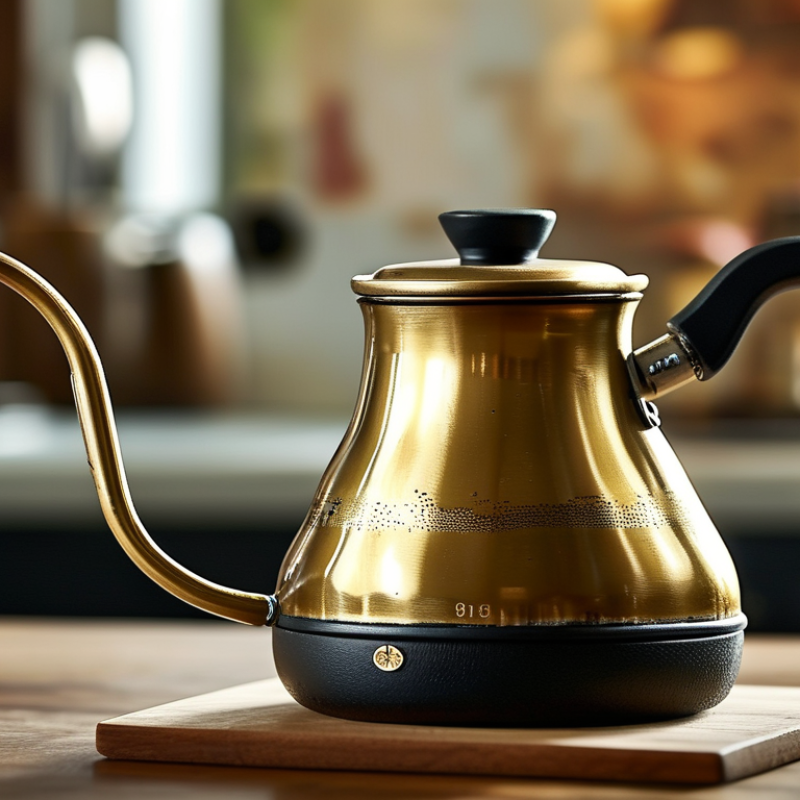
A goose neck kettle has a long, narrow spout that controls water speed and direction. This shape helps you pour slowly over coffee grounds without flooding one area. During regular pour-over brewing, small movements can change extraction noticeably. The kettle’s curved neck also supports a steady circular pour. That control matters when preparing delicate coffee or tea. A wide spout pours faster, but it offers less precision. The difference becomes clear near the end of a brew.
Design affects comfort, safety, and consistency. Look for a balanced handle that keeps your wrist relaxed. The kettle should not feel heavy when filled. Stainless steel usually handles daily heat well, while temperature controls can improve repeatability. However, digital features are not always necessary. They may add cost and create another part that can fail. I have found that a comfortable grip often matters more than impressive settings. My judgment is not perfect, especially because hand size changes the experience.
Tips: Test the empty kettle first. Check whether the handle suits your hand. Fill it halfway and practice a slow spiral pour. Watch the water stream, not only the display. Choose a capacity that matches your routine. A smaller kettle may heat quickly, but it can require refilling. A larger model offers convenience, yet it may feel awkward during precise pouring. Also inspect the lid, base, and spout connection. Small flaws become annoying after daily use.
How to Match Kettle Capacity and Heating Method to Your Needs?
How to Choose a Goose Neck Kettle in 2026?
Choosing a gooseneck kettle in 2026 starts with your daily brewing volume, not its appearance. A 600-milliliter kettle suits one careful pour-over and heats water quickly. For two people, 800 to 1,000 milliliters offers more practical room. Larger capacities help families, but they usually consume more energy and feel heavier during pouring. Small can be better.
The heating method should match your kitchen and brewing habits. An electric kettle provides convenient temperature control, which helps when preparing green tea or delicate coffee. Models with insulated handles and automatic shutoff add practical safety. An induction-compatible stovetop kettle works well when you already use an induction cooker, but heating speed depends on the cookware base and power setting. Traditional stovetop heating offers flexibility, although temperature control requires closer attention.
A 1,000- to 1,500-watt electric model can heat everyday quantities efficiently in many homes. Check the voltage requirements before buying, especially when ordering internationally. I once underestimated the importance of a narrow, balanced handle; a full kettle felt awkward after several pours. That detail changed my buying criteria. A larger reservoir may look useful, yet unused water increases waiting time and energy use. Measure your usual serving size, then leave modest room for practical mistakes.
How to Choose a Goose Neck Kettle in 2026?
How to Match Kettle Capacity and Heating Method to Your Needs
Smaller 0.6–0.8 L kettles suit one or two pour-over servings, while 1.0–1.2 L models are more practical for batch brewing or shared use. Electric kettles usually provide faster, more consistent heating; stovetop models are useful when you already cook with induction or gas.
Typical heating times are planning estimates for heating room-temperature water to near boiling. Actual results vary with starting temperature, kettle efficiency, cookware, and heat source.
What Materials and Temperature Controls Offer Better Performance?
How to Choose a Goose Neck Kettle in 2026?
Material affects heat stability, durability, and taste. Stainless steel remains a dependable choice for daily brewing. It resists corrosion and does not easily retain coffee aromas. A copper or aluminum core can improve heat distribution. However, the outer material and construction matter more than impressive specifications. Check that the water-contact surfaces are clearly identified as food-safe.
Look closely at temperature control. Adjustable settings are more useful than a simple boil switch. For pour-over coffee, a range around 90–96°C allows better control over extraction. Green tea often benefits from lower temperatures, near 70–80°C. A clear display helps, but it may not show the exact water temperature. I would verify it with a separate thermometer occasionally.
Small details matter. A narrow, balanced spout should produce a steady stream without sudden dripping. The handle should stay comfortable during a slow, three-minute pour. A keep-warm function is practical, but long heating can waste energy and alter water quality. Preset temperatures are convenient, yet personal brewing habits may not match them. I once trusted a display too quickly and over-extracted a delicate tea. That mistake changed my preference for kettles with adjustable controls and visible temperature feedback. Ensure the lid fits securely, the base feels stable, and the controls remain readable beside a bright window.