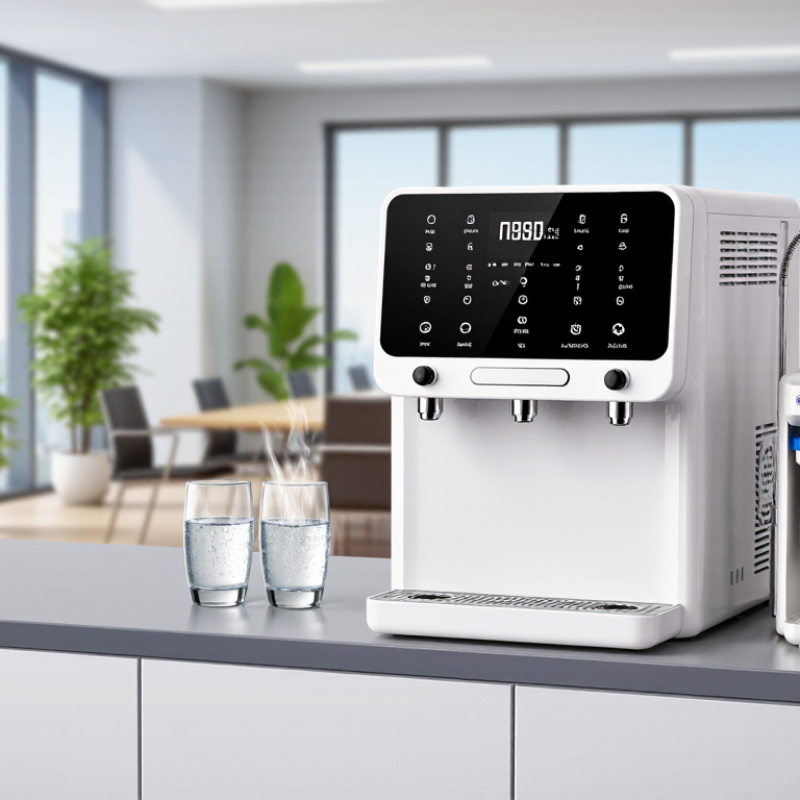
| Main Function | Provides drinking water at room temperature, chilled, heated, or in multiple modes. | The unit stores or receives water and uses cooling or heating components to adjust its temperature before dispensing. | Keep the dispensing area clean and follow the manufacturer's cleaning and sanitation instructions. |
| Water Supply Type | Bottled, point-of-use, or plumbed-in supply. | Bottled models use replaceable containers, while point-of-use models connect to a water line and commonly include filtration. | Inspect bottles, tubing, connectors, and the water inlet for leaks or damage during routine checks. |
| Cooling Method | Compressor cooling or thermoelectric cooling. | A compressor uses a refrigeration cycle; a thermoelectric system transfers heat through a solid-state module. | Leave ventilation space around the unit, keep air vents unobstructed, and remove dust from external grilles. |
| Typical Cold-Water Range | Approximately 4–15°C (39–59°F), depending on the model and usage. | Cold-water temperature depends on cooling capacity, room temperature, water volume, and how frequently the dispenser is used. | If cooling performance declines, check ventilation, condenser dust, ambient temperature, and the unit's service requirements. |
| Typical Hot-Water Range | Approximately 80–95°C (176–203°F), depending on the model. | An electric heating element warms water in a dedicated tank or heating chamber, usually controlled by a thermostat. | Use the hot-water safety lock where available, descale the heating system as instructed, and never operate an empty hot-water tank. |
| Filtration | Common filter types include sediment, activated carbon, and membrane filters. | Filters can reduce particles, chlorine taste, odors, and selected contaminants, depending on the filter design and certification. | Replace filters according to the rated capacity or service interval, and record the replacement date. |
| Dispensing System | Push buttons, levers, touch controls, or sensor-activated outlets. | A control activates a valve or pump that releases water through a dedicated outlet. | Clean buttons, levers, and nozzles daily in high-use offices or whenever spills and contact contamination occur. |
| Drip Tray | Removable tray that collects drips and overflow. | The tray helps prevent water from reaching the floor or internal components. | Empty, wash, and dry the tray at least weekly, or more often when usage is heavy. |
| Daily User Check | Leaks, unusual odors, unusual noise, dirty outlets, or error indicators. | Early detection can help prevent water damage, poor water quality, and equipment failure. | Stop using the unit and report it for service if water quality, electrical safety, or leakage is a concern. |
| Surface Cleaning | Exterior panels, control area, bottle support, and dispensing zone. | Frequently touched and wet surfaces can collect dirt and support microbial growth if neglected. | Wipe regularly with a suitable food-contact-safe cleaner; do not allow liquid to enter electrical openings. |
| Internal Sanitization | Water reservoirs, internal tubing, valves, and outlets. | Internal surfaces may develop biofilm or mineral deposits over time, especially in warm or stagnant areas. | Sanitize according to the equipment instructions or a qualified service schedule; flush thoroughly afterward. |
| Descaling | Removal of calcium carbonate and other mineral deposits. | Hard-water minerals can reduce heating efficiency, restrict flow, and affect taste. | Descale when performance changes or as specified for the local water hardness; use only an approved method. |
| Electrical Safety | Grounded outlet, intact power cord, dry connection, and adequate clearance. | Cooling and heating components require a stable electrical supply and protection from moisture. | Do not use damaged cords or extension arrangements that are not approved; unplug the unit before cleaning internal parts. |
| Service Record | Cleaning date, filter replacement, sanitization, repairs, and responsible person. | A written record supports consistent maintenance and makes recurring problems easier to identify. | Maintain a simple log and review it monthly or whenever the dispenser changes location or usage level. |