Top 10 Butterfly Specimens for Collection and Display?
Butterflies are fascinating creatures, captivating both collectors and enthusiasts alike. The allure of a Butterfly Specimen goes beyond its beauty; it embodies a connection to nature and the art of preservation. Many collectors seek specific species to showcase in their collections, making the hunt for these specimens both thrilling and rewarding.
The world of butterfly collecting is filled with diversity. Each specimen tells a unique story. Some species are vibrant, while others exhibit subtle tones. Collecting these specimens requires knowledge and expertise. Understanding the habitats and behaviors of butterflies enhances the experience. As you curate your collection, challenges may arise. Identifying species, ensuring proper preservation, and ethical sourcing are crucial aspects to consider.
In this article, we will explore the top 10 butterfly specimens for collection and display. Each choice reflects significant beauty and rarity, providing insight into the enchanting world of butterflies. Whether you're a seasoned collector or a beginner, these specimens will inspire awe. Value lies not only in their appearance but also in the stories they carry. Embrace the journey of butterfly collection with a mindful approach.
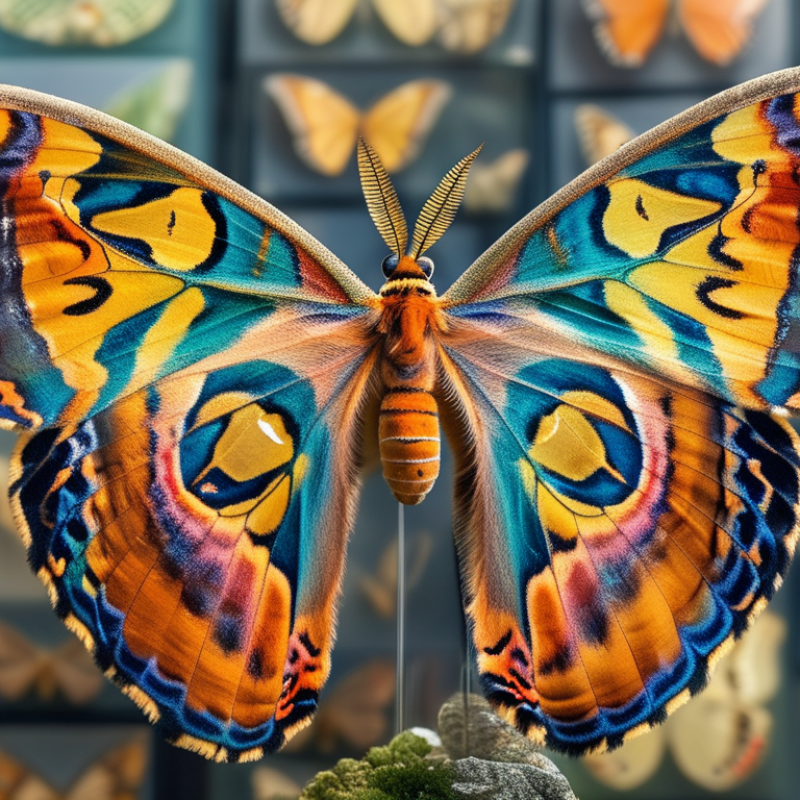
Top 10 Most Beautiful Butterfly Species for Collectors
Butterflies captivate collectors with their stunning colors and unique patterns. For enthusiasts, selecting specimens involves not just aesthetics but also rarity and ecological significance. According to a study by the Lepidopterists' Society, about 20,000 species exist globally, yet only a few stand out for collectors.
One such species is the Morphological Rhetor, known for its vibrant blue hues. This butterfly is rare, making it highly sought after. The Papilio garamas, often called the Garamas Swallowtail, features striking yellow patterns against a black backdrop. It thrives in specific climates, making it an interesting addition for collection and display.
Research shows that collecting butterflies can promote awareness of biodiversity. However, ethical sourcing remains a concern. Collectors must consider conservation implications. Some species face population declines due to habitat loss. Transparency in sourcing can enhance collectors' credibility and respect within the community. Balancing beauty with responsibility is essential for anyone passionate about butterfly collection.
Top 10 Butterfly Specimens for Collection and Display
| Rank | Common Name | Scientific Name | Habitat | Wingspan (cm) | Notable Features |
| 1 | Morpho Blue Butterfly | Morpho peleides | Central and South America | 15-20 | Vibrant blue wings with metallic sheen |
| 2 | Swallowtail Butterfly | Papilio machaon | Europe, Asia, North America | 8-12 | Colorful tail-like extensions |
| 3 | Monarch Butterfly | Danaus plexippus | North America | 8-10 | Distinct orange and black wings |
| 4 | Glasswing Butterfly | Greta oto | Central and South America | 5-6 | Transparent wings |
| 5 | Blue Tiger Butterfly | Tirumala limniace | Southeast Asia | 7-9 | Striking blue and black patterns |
| 6 | Peacock Butterfly | Aglais io | Europe, Asia | 6-7 | Eye spots on wings |
| 7 | Tiger Swallowtail | Papilio machaon | North America | 10-12 | Distinct black stripes |
| 8 | Zebra Swallowtail | Eurytides marcellus | Eastern United States | 6-10 | Striped black and white wings |
| 9 | Gulf Fritillary | Agraulis vanillae | Southern United States | 7-9 | Bright orange wings with black spots |
| 10 | Luna Moth | Actias luna | North America | 10-15 | Pale green with long tails |
Essential Characteristics of Each Featured Butterfly
When it comes to butterfly collecting, specific characteristics define the most sought-after specimens. The morpho butterfly, with its brilliant blue wings, captivates collectors. Its iridescence is a wonder of nature. Observing it in sunlight reveals a shimmering spectacle. Each morpho specimen showcases this stunning transformation.
Another fascinating choice is the swallowtail butterfly. Known for their vibrant colors and tail-like extensions, swallowtails are striking additions to any collection. They often feature intricate patterns, making each specimen unique. Collectors appreciate the diversity in species and the stories behind them. The rarity of certain swallowtail variants presents an alluring challenge.
The glasswing butterfly stands out due to its nearly transparent wings. This delicate feature adds an ethereal quality. It can be difficult to catch and display, due to its fragility. Reflecting light, glasswings blend beautifully into their surroundings. Collectors often find themselves challenged by the intricacies of preserving its beauty. Each butterfly tells a story, inviting deeper reflection on nature’s artistry.
Optimal Preservation Techniques for Butterfly Specimens
When collecting and displaying butterfly specimens, proper preservation techniques are crucial. Butterflies are delicate, and their beauty can fade if not handled carefully. One effective method is using a killing jar. This jar should contain a cotton ball soaked in ethyl acetate. This method quickly and humanely dispatches the insects, preserving their colors.
After collection, drying is essential. Use a butterfly drying box or a paper envelope. Ensure the specimens are mounted properly, allowing air circulation. Good ventilation helps prevent mold growth, which can ruin the specimen. It's also vital to label each specimen accurately. This includes the date, location, and conditions.
Tips: Always handle butterflies with tweezers. This reduces damage to delicate wings. Keep specimens in a dry, dark place. Exposure to sunlight may fade their vibrant colors. Regularly check on stored specimens for any signs of pests. Addressing issues early prevents greater loss. With careful attention, your butterfly collection can be both beautiful and long-lasting.
Display Ideas to Highlight Butterfly Collections
When it comes to showcasing butterfly collections, presentation is key. Consider using shadow boxes with soft lighting to create a stunning effect. Each piece can be highlighted individually, allowing its details to shine. According to a recent study, well-displayed specimens can increase viewer engagement by up to 70%. This emphasizes the importance of thoughtful curation.
Choose a clean background that contrasts with the butterfly colors. Dark frames can create a striking visual impact. An arranged collection can reflect geographical diversity. Display butterflies from varied habitats to tell a broader story. Use labels to provide context about each specimen, enhancing educational value and connection.
Tips: Regular maintenance is crucial. Dusting the display frequently prevents deterioration. Consider rotating specimens periodically to showcase different aspects of your collection. Remember, it's okay to reflect on imperfections in your collection. Each specimen tells a story, and some may need more care than others. Embracing these nuances can enhance the overall experience of your display.
Conservation Considerations for Butterfly Collecting
Butterfly collecting can be a fascinating hobby, yet it raises important conservation issues. When removing butterflies from their natural habitats, collectors must be mindful of local ecosystems. Many species are threatened or endangered. Understanding the impact of collecting is crucial.
Effective conservation begins with knowledge. Collectors should research butterfly populations in their region. Sustainable practices are vital for minimizing harm. For example, collecting should be limited to stable, abundant species. Recording collection locations can help monitor population changes over time.
Ethical considerations also arise in this practice. Collectors should leave behind enough specimens to sustain the population. Questions of legality and morality often emerge. Reflecting on these topics can lead to more responsible collecting habits. Ultimately, the goal should be to enjoy butterflies while also protecting them for future generations.