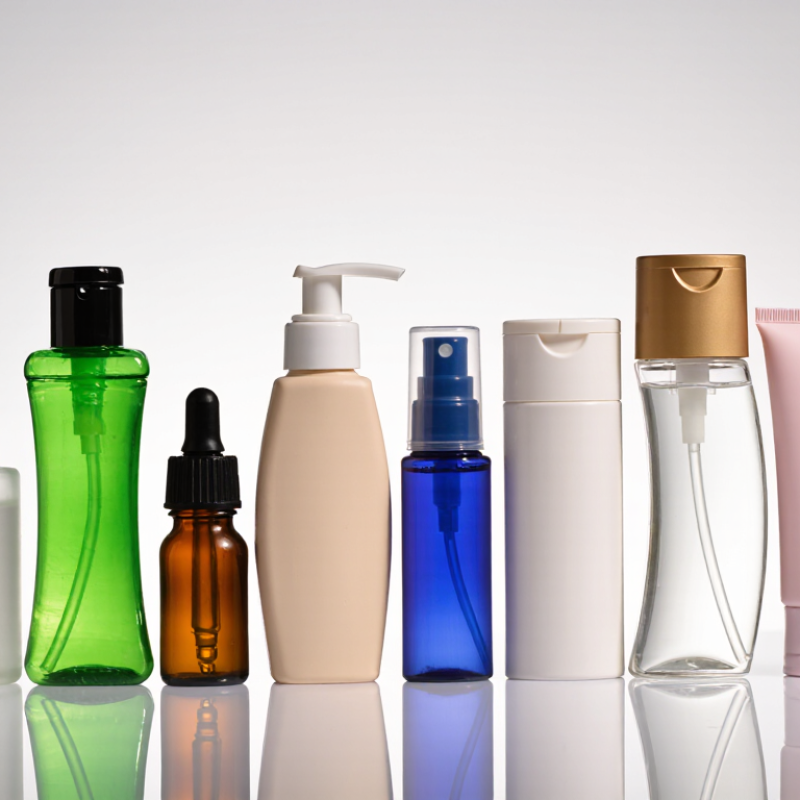
Choosing a packaging partner can shape a beauty product’s quality, cost, and shelf appeal. A Cosmetic Bottle must protect its formula while fitting the brand’s look, filling process, and budget. A polished sample is only one part of the decision.
This guide introduces ten manufacturers serving global buyers, from established packaging groups to suppliers with more focused capabilities. It considers practical factors such as material choices, bottle styles, customization options, production capacity, quality controls, and communication. Details matter. A cap that leaks during transit or a pump that dispenses unevenly can create costly problems. Buyers should request current specifications, samples, and clear information about minimum order quantities before making commitments.
The companies listed may suit different needs; no single supplier is ideal for every project. Some excel at glass packaging, while others offer broad plastic ranges or decoration services. Product catalogs and capabilities can change, so verify claims directly with each manufacturer. This comparison is a starting point, not a substitute for testing samples under real filling and shipping conditions. Even careful research has limits. A supplier’s fit often becomes clear only after technical questions, sample reviews, and a candid discussion of timelines.
Cosmetic bottle manufacturers translate a product brief into packaging that protects a formula and works smoothly in daily use. Teams review viscosity, light sensitivity, dispensing needs, target volume, and filling-line limits. They may recommend glass, PET, or HDPE, then develop a bottle, closure, and pump combination. Small details matter.
Operations usually move through design, tooling, sampling, production, and inspection. A prototype is checked for fit, leakage, surface defects, and consistent dispensing. Compatibility testing may also be needed because some formulas interact with packaging materials. Under deadline pressure, this step is easy to skip—and often regretted. Once approved, bottles are molded, decorated, and packed. A polished sample can still hide a weak pump or a cap that loosens during shipping. Clear tolerances and quality records help buyers assess consistency, but testing the intended formula remains essential.
Tips: Request production samples, not only appearance samples. Confirm minimum order quantities, lead times, and carton protection in writing. Test the actual formula and filling line before scaling. It takes extra time, but appearance alone tells you very little about everyday performance.