Top 10 Office Furniture Tips for Global Buyers Today?
In today's competitive landscape, the demand for quality Office Furniture is on the rise. According to the latest report by Grand View Research, the global office furniture market is projected to reach $250 billion by 2025. This staggering growth reflects a shift towards enhancing workplace aesthetics and functionality. Expert Jane Smith, a leading authority in office design, notes, "The right office furniture can transform productivity and employee satisfaction."
Many organizations underestimate the importance of ergonomic designs in their office spaces. A study by the American Journal of Public Health found that proper office furniture can reduce discomfort and increase employees' overall well-being. However, investing in Office Furniture without considering the specific needs of your environment can lead to suboptimal results. It's crucial to evaluate the workspace layout, light sources, and team dynamics when choosing furniture.
Additionally, sustainability is becoming a significant concern in the Office Furniture industry. Disregarding environmental impact can alienate eco-conscious clients and employees. As the market evolves, buyers must remain mindful of trends and seek durable, responsible options. Keeping these factors in mind will ensure that your investment serves its purpose effectively while aligning with modern expectations.
Understanding Global Trends in Office Furniture Design
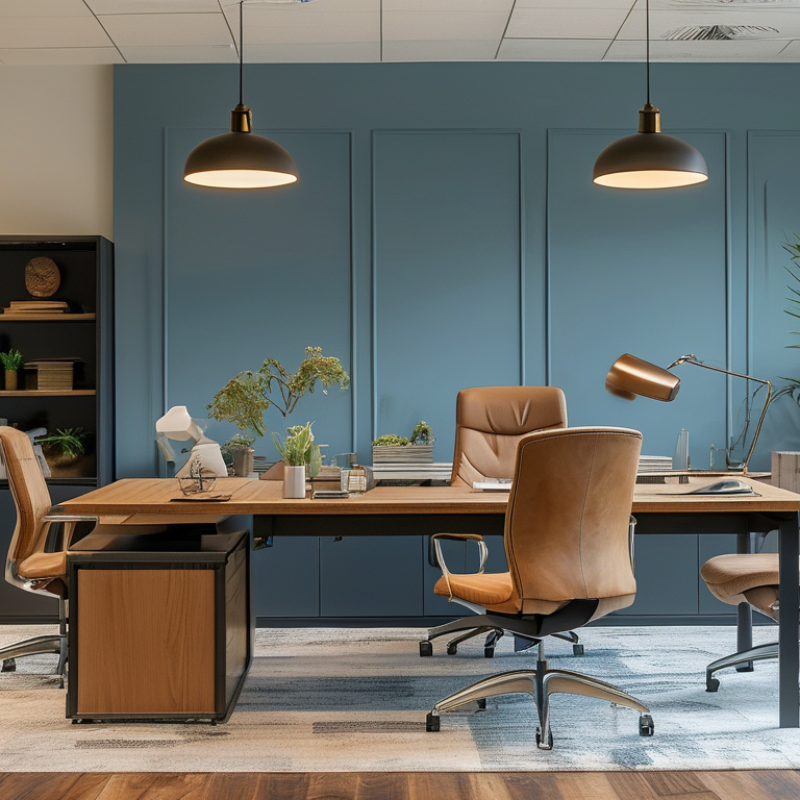
The landscape of office furniture design is evolving rapidly worldwide. Today’s buyers must pay attention to global trends to make informed decisions. Sustainability is at the forefront of many designers' minds. Eco-friendly materials are now prevalent. This trend reflects a growing awareness of environmental impact. Buyers are increasingly seeking products that minimize carbon footprints.
Moreover, flexibility in design is another key trend. Modern offices require adaptable spaces. Furniture that can be easily reconfigured is essential. This approach supports a collaborative work environment. However, achieving the right balance is challenging. Too much openness can lead to distractions, while too much rigidity may stifle creativity.
Technology integration is also crucial. Smart furniture solutions, like desks with built-in charging ports, are gaining popularity. These innovations make offices more functional. However, not all designs seamlessly blend technology with aesthetics. Buyers should critically evaluate how technology influences their workspace comfort. A well-designed office should serve the needs of its users while embracing global trends.
Key Factors Influencing Office Furniture Purchases Worldwide
When purchasing office furniture globally, several key factors come into play. Understanding cultural differences in ergonomics is crucial. For instance, preferences for chair types can vary by region due to work habits. Buyers must consider how local environments affect furniture use.
One important tip is to prioritize functionality over aesthetics. Office layouts differ widely. Open spaces require adaptable furniture, while smaller offices may need multi-functional pieces. The right choice can enhance productivity dramatically.
Sustainability is another growing concern among buyers. Eco-friendly materials are increasingly favored. There’s a shift towards durable, recyclable options, reflecting a commitment to environmental responsibility. It's vital to communicate these values through your choices and suppliers. Evaluating suppliers for sustainable practices can also significantly impact your overall decision.
Top 10 Office Furniture Tips for Global Buyers Today
| Tip Number |
Tip Description |
Key Factor |
Influence on Purchase |
| 1 |
Prioritize Ergonomics |
Employee Well-being |
High |
| 2 |
Choose Versatile Furniture |
Space Utilization |
Medium |
| 3 |
Select Sustainable Materials |
Environmental Impact |
High |
| 4 |
Incorporate Modular Designs |
Flexibility |
Medium |
| 5 |
Evaluate Aesthetics |
Brand Image |
Medium |
| 6 |
Focus on Multi-functionality |
Cost Efficiency |
High |
| 7 |
Assess Budget Constraints |
Financial Planning |
High |
| 8 |
Check for Warranty/Support |
Longevity of Use |
Medium |
| 9 |
Research Supply Chain Issues |
Delivery Reliability |
High |
| 10 |
Plan for Future Growth |
Scalability |
Medium |
Sourcing Sustainable Materials for Modern Office Furniture
Sourcing sustainable materials for modern office furniture is crucial. Environmentally friendly options reduce carbon footprints. Many buyers now look for furniture made from recycled or reclaimed materials. These options can be both stylish and durable. Moreover, using natural, non-toxic finishes promotes a healthier workspace.
Recycled aluminum and bamboo are excellent choices. Bamboo grows quickly and can be harvested sustainably. Recycled aluminum is lightweight and resistant to corrosion, extending the furniture's lifespan. However, not all materials labeled as "sustainable" meet strict guidelines. It's vital to verify suppliers’ claims and certifications.
Understanding the supply chain matters. Some manufacturers may use misleading practices or greenwashing tactics. Buyers should prioritize transparency and ask for detailed sourcing information. Look for products with a shorter supply chain to minimize environmental impact. It's essential to question and reflect on the true sustainability of materials before making a purchase.
Ergonomics and Comfort: Essential Considerations for Buyers
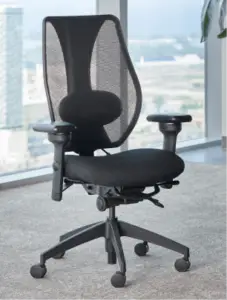
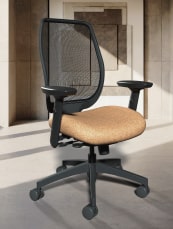
When selecting office furniture, ergonomics and comfort are paramount. Many buyers overlook these aspects, leading to discomfort and reduced productivity. Ergonomic furniture can significantly enhance well-being. Chairs with adjustable heights and lumbar support encourage proper posture.
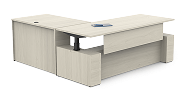
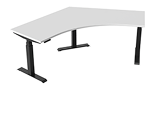
Consider the nature of your work. If you spend long hours at a desk, invest in a chair that supports your spine. Desks should ideally allow for both sitting and standing positions. This flexibility helps combat fatigue. Look for features like soft armrests and breathable fabrics to improve daily comfort.
Another essential factor is the layout of your workspace. A cluttered area can cause stress and discomfort. Ensuring adequate space for movement is crucial. Keep in mind, however, that not every piece of furniture will fit every style or need. It’s vital to test furniture before committing. This can prevent costly mistakes later on, enhancing both comfort and functionality.
Choosing the Right Supplier for International Office Furniture Needs
Selecting the right supplier for international office furniture needs is critical. Global buyers must evaluate potential partners carefully. Start by assessing the supplier’s experience in international logistics. A supplier with a robust shipping strategy can reduce delays and costs. Consider their ability to handle customs regulations, as this can impact delivery.
Next, look for a supplier with a diverse product range. This variety helps ensure you find furniture that meets your unique style and functional requirements. It’s important to check their references and read reviews. A supplier with a solid reputation can provide peace of mind. They should be transparent about materials, production processes, and warranty policies.
Also, don’t ignore communication. Effective dialogue is essential when dealing with suppliers from various regions. Misunderstandings can arise, leading to costly mistakes. Always clarify terms and expectations upfront. A responsive supplier indicates good customer service, which can be crucial for long-term relationships. Remember, it’s not just about the furniture; it’s about building a partnership that aligns with your vision.
Top 10 Office Furniture Tips for Global Buyers Today