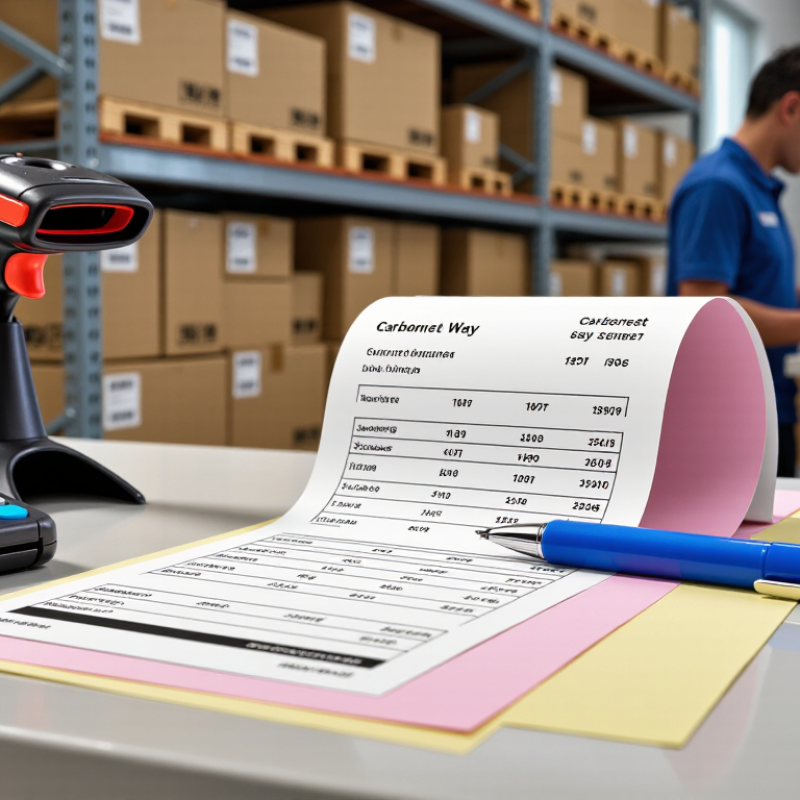
| Definition | A multi-part shipping document that creates duplicate copies without carbon paper. | Used to record shipment details and provide document copies to parties handling the cargo. | It is a paper document system, not an electronic transport record. |
| How It Works | Pressure from writing on the top sheet activates microcapsules and a coating on the following sheet, reproducing the written information. | The same shipment data can be transferred to several copies during preparation. | Use a firm, even writing pressure and place the forms on a flat surface. |
| Typical Form Structure | Common sets contain a top sheet and one or more duplicate sheets, with each copy assigned to a different party. | Copies may support the shipper, carrier, consignee, warehouse, or delivery record. | The exact number and color of copies depend on the shipment process. |
| Core Shipment Data | Usually includes shipper, consignee, pickup and delivery locations, contact details, reference numbers, package count, weight, and description of goods. | Helps identify and handle cargo across multiple transport stages. | Descriptions should be specific enough for handling and document matching. |
| Package Details | Records the number of cartons, pallets, crates, or other handling units, along with gross weight and dimensions when required. | Supports loading plans, freight rating, warehouse checks, and delivery verification. | Use consistent units, such as kilograms and centimeters, throughout the shipment documents. |
| International Trade Data | May reference the country of origin, commodity classification, customs value, and trade terms when applicable. | Provides supporting information for customs review and document consistency. | A waybill normally does not replace documents required by customs, such as a commercial invoice or permits. |
| Transport Reference | Includes a shipment number, booking reference, purchase order number, or other identifier. | Allows staff to match the paper waybill with transport, warehouse, and order records. | Use one unique reference consistently across all related documents. |
| Signature and Acceptance | May include signature, printed name, date, and time fields for pickup or delivery acknowledgment. | Creates a paper record of handover, receipt, or visible package condition. | A signature confirms receipt or handover only according to the terms stated on the document. |
| Shipment Workflow | Prepare the form, verify the information, separate the copies, attach or distribute them, and retain the required record. | Supports a consistent handoff from shipper to carrier, terminal, warehouse, and consignee. | Check every copy before separation because missing or incomplete data can be difficult to correct later. |
| Main Advantages | Produces readable duplicate records in one writing operation and does not require a separate carbon sheet. | Useful where paper documentation, rapid handover, or limited digital access is required. | It can reduce repetitive handwriting and help keep shipment details aligned across copies. |
| Limitations | Copies can be affected by weak writing pressure, moisture, abrasion, poor storage, or illegible handwriting. | Paper records may not provide real-time tracking or automatic data validation. | Use digital shipment records in parallel when electronic visibility or regulatory filing is required. |
| Error Control | Corrections should remain clear and traceable on every relevant copy. | Accurate records help prevent mismatches in consignee details, package counts, weights, and reference numbers. | Do not obscure an error; follow the carrier or internal correction procedure and obtain initials where required. |
| Storage and Handling | Store unused forms flat, dry, and away from excessive heat, pressure, and direct sunlight. | Protects legibility before the form is used and while retained as a shipment record. | Keep completed copies protected from moisture and unauthorized access. |
| Best Use Case | Shipments requiring several paper copies and a straightforward manual handover process. | Suitable for road, air, sea, or multimodal workflows when accepted by the parties involved. | Confirm document requirements with the carrier, destination country, and customs authorities before dispatch. |