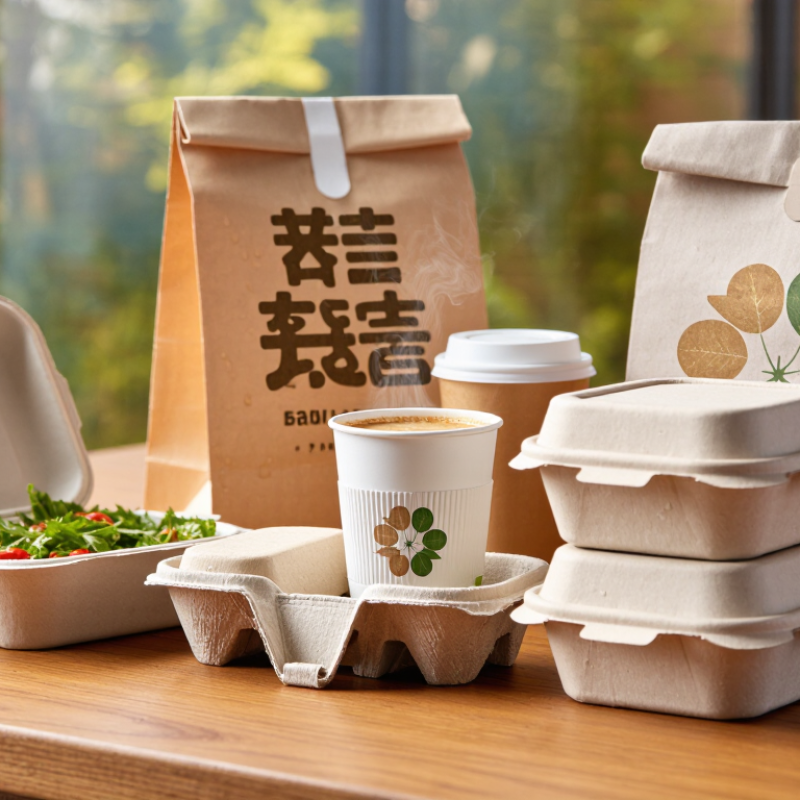
| Definition | Eco disposable paper refers to single-use paper products designed with environmental considerations, such as responsible fiber sourcing, efficient material use, or compatibility with suitable recovery systems. | It helps buyers compare products beyond the fact that they are paper-based. | Ask which specific environmental attributes are documented; the term alone is not a standardized guarantee. |
| Fiber source | Paper may be made from virgin wood pulp, recycled fiber, or a blend. Recycled content can reduce demand for virgin fiber, though the overall impact depends on production and sourcing. | Clear sourcing information supports purchasing policies and material traceability. | Check the stated recycled-content percentage and whether any sourcing claims are independently certified. |
| Responsible forestry | Some virgin paper fibers come from forests managed under defined environmental and social requirements. Certification schemes can provide a way to verify particular sourcing claims. | Verified sourcing can help buyers assess forest-related risks in the supply chain. | Verify the certificate, product scope, and chain-of-custody details rather than relying on a general logo or claim. |
| Coatings and additives | Some cups, plates, and food wrappers use coatings or treatments for moisture, grease, or heat resistance. These can affect recyclability or compostability. | A paper appearance does not by itself establish that an item can be recycled or composted. | Request material composition and confirm acceptance with the relevant local waste facility. |
| End-of-life options | Recycling and composting depend on the product design, contamination, collection systems, and local facility capabilities. Food residue and mixed materials can limit recovery. | A disposal claim is useful only when it matches the buyer’s local infrastructure. | Check local program rules and look for test results or certifications relevant to the specific product and disposal route. |
| Material efficiency | Product weight, dimensions, and construction determine how much material is used while meeting functional requirements. | Right-sizing can reduce material use and shipping volume without compromising intended performance. | Compare item weight, pack size, durability, and performance under actual use conditions. |
| Food-contact suitability | Paper products intended for food use should meet the applicable food-contact requirements in the market where they are sold. | Safety and regulatory compliance are essential alongside environmental considerations. | Request relevant compliance documentation and confirm suitability for the intended food, temperature, and contact duration. |
| Buyer evaluation | A sound comparison considers sourcing, composition, functional performance, packaging, and realistic end-of-life options together. | A multi-criteria review avoids choosing on a broad environmental claim alone. | Use product-specific evidence and compare like-for-like specifications; environmental performance varies by product and supply chain. |