20% off Demo Text

What is an Ergonomic Stool and Why You Need One?

In today's fast-paced work environment, comfort and support are essential for productivity. Many professionals are turning to ergonomic stools as a solution. These stools encourage better posture and reduce strain on the body. According to a report by the Bureau of Labor Statistics, ergonomic furniture can lead to a significant reduction in workplace injuries, promoting a healthier work life.

Dr. Sarah Thompson, an ergonomics expert, has said, "Investing in ergonomic stools is investing in long-term health." This highlights the critical need for proper seating options in modern workplaces. Ergonomic stools provide adjustable features that cater to various body types and working styles. Users often experience less fatigue and discomfort, enhancing their overall work performance.

Yet, it's important to remember that not all ergonomic stools are equally effective. Choosing the right one requires research and consideration of individual needs. Some may find the transition to an ergonomic stool challenging. Adjusting to a new seating arrangement can take time. Users should reflect on their experiences and make informed choices for their workspace.

What is an Ergonomic Stool and Why You Need One?

Understanding Ergonomics: The Science Behind Ergonomic Stools

Ergonomic stools are designed to support the body's natural posture. They encourage movement while promoting comfort and stability. Studies show that poor posture can lead to long-term health issues. A report by the Occupational Safety and Health Administration found that back pain affects 80% of adults at some point in their lives. This highlights the importance of choosing the right seating option.

The science of ergonomics focuses on creating tools that fit human anatomy. Research indicates that ergonomic designs can reduce fatigue and discomfort. A survey published in the Journal of Occupational and Environmental Medicine revealed that ergonomic chairs lead to a 25% increase in productivity. Moreover, a well-designed stool can keep the spine aligned and reduce stress on the hips.

However, not every ergonomic stool is perfect for every person. Individual needs vary based on height, weight, and personal comfort. A one-size-fits-all approach may not work effectively. It's crucial to explore different options and find the right balance. This might require some trial and error, but it’s a worthy pursuit for better health and well-being.

What Makes an Ergonomic Stool Different from Regular Stools?

An ergonomic stool is designed with user comfort and health in mind. Unlike standard stools, ergonomic stools promote better posture and reduce strain on the body. Research indicates that poor sitting habits can lead to chronic pain, particularly in the back and neck. A study published in the Journal of Occupational Health found that ergonomic seating solutions reduced discomfort by over 50% in users.

What makes ergonomic stools stand out is their adjustable features. Many come with height adjustments and contoured seating, allowing users to tailor the stool to their body size and shape. This flexibility supports a range of activities, from sitting at a desk to working in a workshop. The American Chiropractic Association notes that proper support can enhance productivity and focus.

Despite their benefits, not all ergonomic stools are created equal. Factors like material quality and design complexity can vary greatly. Users may find some models less comfortable over extended periods. It's essential to invest time in choosing a stool that meets individual needs. Testing different options can be an eye-opening experience. Not every ergonomic stool will feel right for every user, which can lead to frustration. A thoughtful approach can lead to significant long-term benefits for health and well-being.

Comparison of Ergonomic Stools and Regular Stools

Key Benefits of Using an Ergonomic Stool for Health and Productivity

An ergonomic stool is designed to promote healthy posture and support the body during various activities. Many people spend long hours sitting, which can lead to discomfort and health issues. An ergonomic stool encourages active sitting, allowing better movement and engagement of core muscles. This can significantly reduce the risk of back pain and improve overall spinal health.

One key benefit of using an ergonomic stool is enhanced productivity. Comfort directly impacts focus. When you're not distracted by discomfort, you can work more efficiently. Additionally, ergonomic stools often promote better blood circulation. Improved circulation benefits concentration and energy levels, enabling you to stay productive throughout the day.

However, not every ergonomic stool is right for everyone. Some might find them uncomfortable after extended use. It is essential to consider personal preferences and adjust the stool to fit your body correctly. Experimenting with different heights and styles can yield better results. Finding what works best for you may take some time. Being aware of your body's feedback is crucial in this process.

How to Choose the Right Ergonomic Stool for Your Workspace

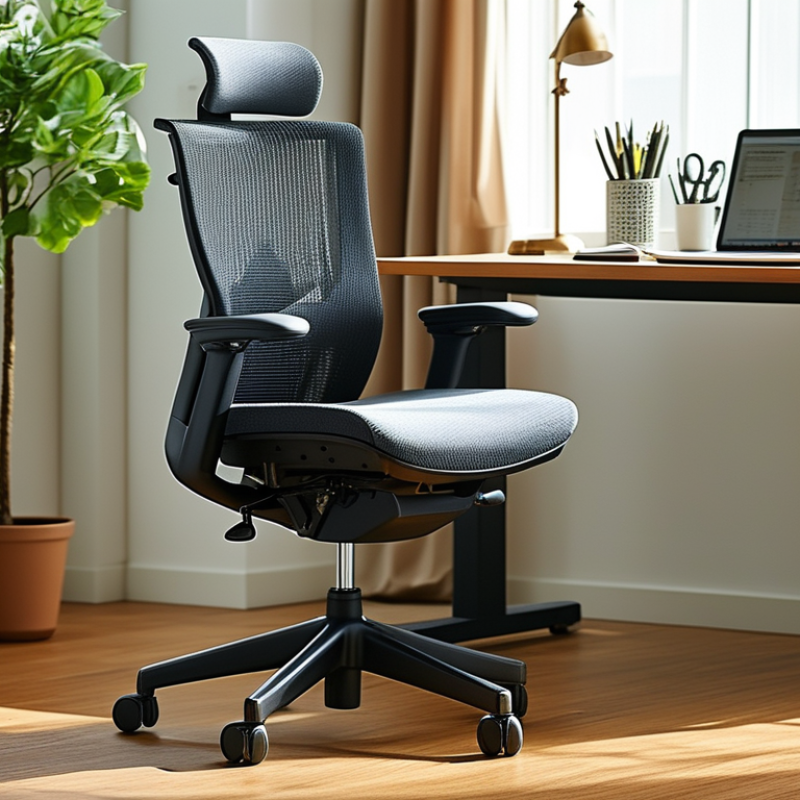
When choosing an ergonomic stool, consider your body’s needs first. A stool with adjustable height can accommodate various desk setups. Look for features like a contoured seat and proper lumbar support. These aspects encourage good posture, reducing strain during long hours of sitting.

Material is another critical factor. A breathable fabric can help keep you comfortable, especially in warmer environments. Additionally, a lightweight design makes moving the stool easy. Try to find one that matches your personal style while maintaining functionality. Personal experiences vary; some may prefer a firmer seat for support, while others might find a softer surface more comfortable.

Evaluate your workspace dynamics. The perfect stool for one situation may not work in another. Consider testing a few models before making a decision. Reflect on how you feel after sitting in each one. It’s essential to listen to your body’s feedback; discomfort may indicate the need for a different choice. The right ergonomic stool should enhance your work experience without compromising health.

Tips for Properly Using an Ergonomic Stool to Maximize Comfort

Using an ergonomic stool can transform your workspace. Proper use significantly enhances comfort and productivity. Start by adjusting the stool height to place your feet flat on the ground. This alignment supports proper posture and reduces strain on your lower back. Your knees should be at a 90-degree angle. If the stool is too high, you may find yourself slouching, which can lead to discomfort.

When sitting, keep your back straight and shoulders relaxed. Position your arms comfortably on the workspace. A stool should promote dynamic movement, allowing you to shift your weight throughout the day. It is a common pitfall to remain static for too long. Set reminders to adjust your position, even for a few minutes. Small changes can significantly enhance your overall experience.

Consider your desk setup as well. Ensure that your screen is at eye level to avoid straining your neck. An ergonomic stool is only part of the equation. Regular breaks are essential. Step away from your workstation periodically to maintain circulation and reduce fatigue. Paying attention to these details ensures you get the most from your ergonomic investment. Reflection and adjustment are key to achieving optimal comfort.