Why Choose the Best Home Office Chairs for Comfort?
When it comes to creating a productive home workspace, choosing the right Home Office Chairs plays a crucial role. According to a recent report by the American Chiropractic Association, over 80% of people experience back pain at some point in their lives, often due to poor seating choices. "Ergonomics in home office design is not just about aesthetics; it’s about your health," emphasizes Dr. Emily Carter, a leading expert in workplace ergonomics.
Investing in quality Home Office Chairs can significantly affect comfort and productivity. Research shows that a well-designed chair can reduce fatigue and increase concentration. However, many still overlook this aspect of their home offices, leading to long-term health issues. It's surprising how often people choose style over comfort, neglecting the need for proper support.
The right Home Office Chairs not only enhance well-being, they also can transform your working experience. An uncomfortable chair can lead to distractions, pulling focus away from tasks. It’s essential to reflect on the long-term impacts of your decision, as your choice today shapes your comfort for years to come.
Understanding the Importance of Comfort in Home Office Chairs
The significance of comfort in home office chairs cannot be overstated. Research shows that around 60% of remote workers experience discomfort during long hours of sitting. This discomfort can lead to a decline in productivity and an increase in health issues. A report from the American Chiropractic Association highlights that poor seating can exacerbate back pain and related conditions. Choosing ergonomic chairs can mitigate these risks significantly.
A well-designed chair should support your spine's natural curvature. A seat height that allows your feet to rest flat on the ground is essential. According to studies, this positioning reduces the strain on your lower back. Armrests are another crucial feature, as they can alleviate shoulder tension. Seek chairs that allow for adjustments to suit your body size.
Comfort also affects mental well-being. Uncomfortable sitting can lead to distractions. When you are constantly shifting or adjusting, focus diminishes. Small adjustments to your setup can make a difference. Ensure your screen is at eye level. This promotes a healthier neck angle. Remember, investing in comfort is investing in your productivity and overall health.
Key Features of an Ergonomic Office Chair for Home Use
Choosing the right ergonomic office chair is crucial for home office comfort. Studies indicate that around 70% of remote workers experience discomfort due to poor seating. A chair that supports proper alignment can help prevent common issues like back pain and fatigue.
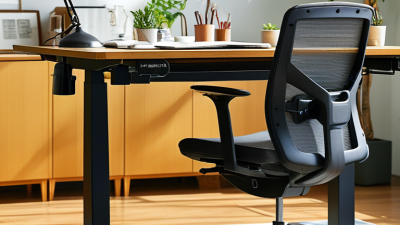
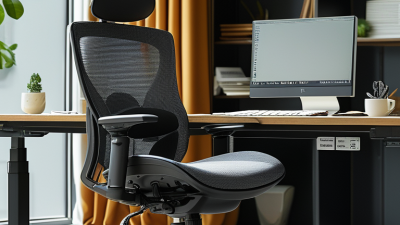
Key features to consider include adjustable height, lumbar support, and breathable materials. Many experts recommend a chair height that allows your feet to rest flat on the floor. Adjustable lumbar support helps maintain the natural curve of your spine. According to research, ergonomic designs can reduce discomfort by up to 40%.
Breathable fabric also plays a significant role in comfort. It helps regulate temperature and reduces sweat. Many people overlook this feature, yet it significantly impacts productivity. Investing in an ergonomic chair is not just about comfort; it’s about enhancing work efficiency and well-being in the long run.
How Comfort Affects Productivity and Work Performance
A well-designed home office chair significantly impacts comfort. Comfort directly influences productivity and work performance. According to a study by the American Psychological Association, comfortable seating can improve focus by up to 25%. Poor chair choices often lead to back pain, distraction, and decreased work quality.
Creating an inviting workspace can enhance comfort levels. Investing in an ergonomic chair that supports natural posture is crucial. Many professionals overlook the importance of adjustability. A chair that is too high or low can cause strain. Adjusting seat height, lumbar support, and armrests ensures proper alignment.
Incorporate movement into your routine. Sitting for extended periods can lead to fatigue. Research by the Mayo Clinic indicates that regular breaks improve mental clarity and boost creativity. Simple changes, like standing or stretching every hour, can rejuvenate your focus. Prioritize comfort to foster a healthier and more productive work environment.
Choosing the Right Materials for Maximum Comfort in Office Chairs
Selecting the right materials for office chairs is crucial for comfort. Several studies highlight that ergonomic design and material choice directly affect productivity. A report from the American Journal of Epidemiology indicates that 60% of professionals experience discomfort due to inadequate seating.
Foam density plays a significant role in comfort. High-density foam can provide better support than standard options. Research suggests that chairs with memory foam adapt to body shapes, reducing pressure points. Additionally, breathable fabrics promote airflow. This helps maintain a comfortable temperature while sitting for long periods.
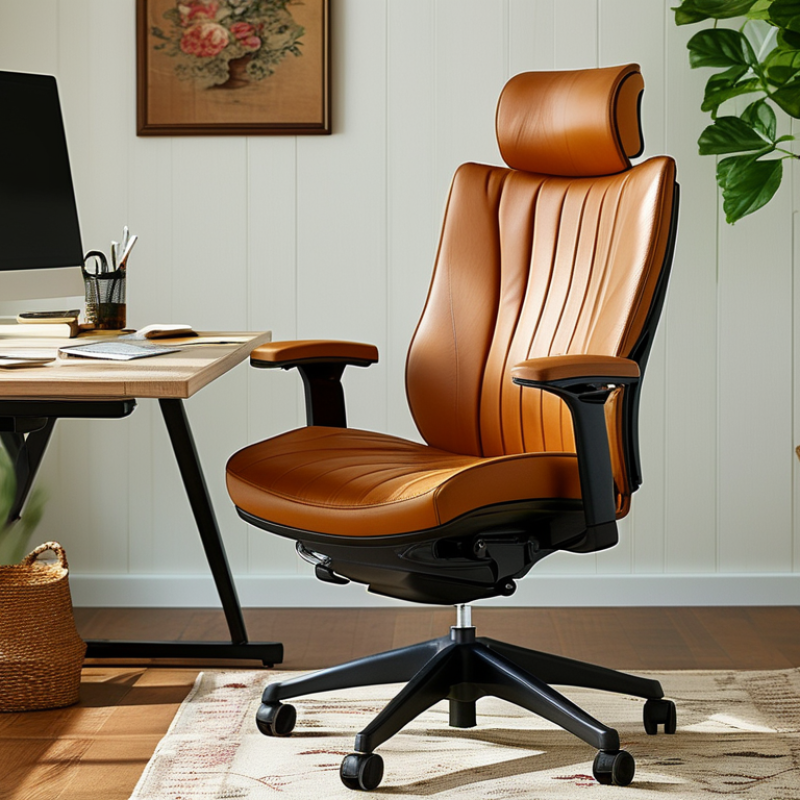
Many offices overlook the impact of chair materials on worker well-being. Leather may give a premium feel, but synthetic alternatives often offer better breathability. A study from Comfort Research reveals that over 70% of employees favor soft, breathable surfaces. However, some cheaper materials may wear down faster, leading to discomfort. Finding the right balance between durability and comfort is essential for long-term satisfaction in a home office.
Tips for Adjusting Your Home Office Chair for Personalized Comfort
When choosing a home office chair, comfort is key. Adjusting your chair properly can enhance your work experience. Start by ensuring your feet rest flat on the ground. If your legs dangle, you’ll feel discomfort. Use a footrest if necessary to maintain alignment.
Next, focus on the chair height. Your knees should be at a 90-degree angle when seated. Adjust the height until you feel supported. Aim for your armrests to lift your arms comfortably, without straining your shoulders. Sometimes, armrests are too high or too low. This can lead to tension over time.
Don’t ignore lumbar support. The curve of your chair should fit the natural curve of your spine. If you find it lacking, consider adding a cushion. A small adjustment can lead to significant comfort. Reflect on how your posture changes as you work. Frequent adjustments can help tailor the chair to your preferences. Listen to your body; it often signals what is needed for better comfort.