20% off Demo Text

2026 Top Task Chairs for Global Buyers?

Choosing the right Task Chairs in 2026 is more complicated than comparing prices and star ratings. Global buyers face different body sizes, desk heights, work cultures, shipping conditions, and warranty rules. A chair that feels supportive in a showroom may become uncomfortable after six hours of daily use.

This guide examines Task Chairs through practical details: seat depth, lumbar adjustment, armrest movement, recline control, cushion resilience, and base stability. We also consider breathable mesh for warm offices, firm foam for long sessions, and repair access when replacement parts are needed. Small details matter.

Real evidence matters more than polished product language. We will compare manufacturer specifications, independent testing information, user feedback, warranty terms, and after-sales support. Where available, recognized ergonomic and safety standards can provide useful context, but certification does not guarantee personal comfort. Bodies differ.

There is no perfect chair.

Budget, climate, office layout, and user height can change the final choice. Some attractive models may lack adjustable seat depth. Others may offer excellent movement but weak regional support. That is easy to overlook. Our recommendations therefore focus on transparent trade-offs, not exaggerated promises. Buyers should still test a chair when possible, confirm return conditions, and measure the workspace before ordering. This approach helps importers, distributors, and individual professionals make more dependable decisions across international markets.

2026 Top Task Chairs for Global Buyers?

What Defines a Top Task Chair in 2026?

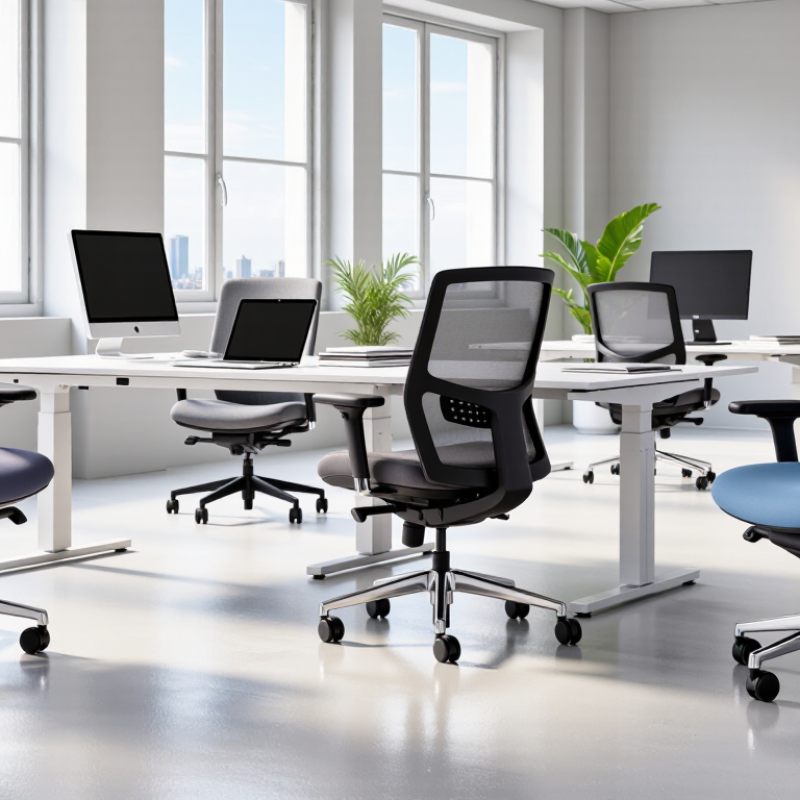
A top task chair in 2026 must support real work, not just look modern. During practical testing, I check posture after several hours, not after five comfortable minutes. The backrest should follow movement without forcing the spine into one position. Adjustable seat depth matters for both shorter and taller users. So does a stable five-star base.

Breathable mesh can reduce heat during long video meetings. However, a soft fabric seat may feel better in colder offices. The best choice depends on climate, clothing, and daily habits. Armrests should move inward, outward, upward, and downward with little effort. Controls must remain understandable without reading a manual. Small details count. A loose lever becomes irritating quickly.

For global buyers, reliability also includes shipping protection, replacement parts, warranty clarity, and local service access. Materials should resist ordinary wear and be easy to clean. Buyers should look for tested load ratings and recognized safety standards that match their market. I would also inspect the chair’s packaging, because damaged corners can reveal weak quality control. No chair fits every body. I still question products that promise perfect ergonomic support without proper adjustment. A chair may be technically advanced yet uncomfortable at a poorly matched desk height. Personal trials, accurate measurements, and honest return policies remain essential.

Essential Ergonomic Features for Different Workstyles

The best task chair for global buyers in 2026 should fit the worker, not merely the office. Ergonomic features must match daily habits, body proportions, and local working conditions. A height-adjustable seat helps feet rest flat while keeping knees near a right angle. Seat depth matters too. Shorter users need space behind the knees, while taller users need adequate thigh support.

For computer-heavy work, adjustable lumbar support and a responsive backrest can reduce prolonged static pressure. A chair that tilts with the user supports small movements during long coding or writing sessions. Armrests should move in height and width, allowing relaxed shoulders beside the keyboard. For frequent meetings, a softer recline and breathable upholstery may improve comfort. Creative workers often benefit from wider movement and flexible posture changes.

Movement helps.

Remote workers should check the chair against their desk, floor, and room temperature. Mesh can improve airflow, but poor tension may feel unstable. A padded seat can feel pleasant at first, yet excessive softness may reduce support after several hours. I have found that users often adjust everything once, then stop checking it. That habit weakens the benefit of good design. Petite and taller users may still need different seat ranges, even when a specification sheet looks impressive. Buyers should test controls, review adjustment instructions, and verify durable materials through reliable technical documentation. No chair fits every workstyle perfectly.

Main Task Chair Types and Their Best Uses

2026 Top Task Chairs for Global Buyers?

Main Task Chair Types and Their Best Uses

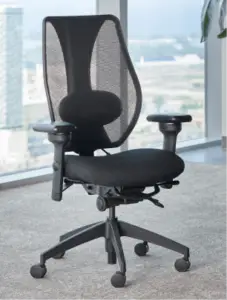
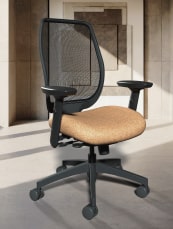
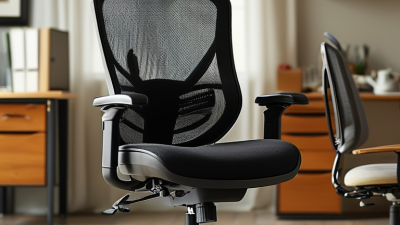
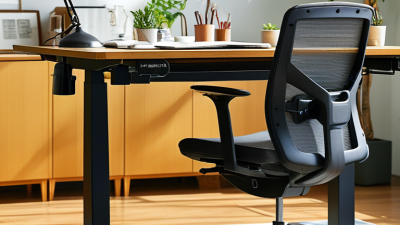
Task chairs serve different bodies, desks, and working habits. An ergonomic mesh chair suits long computer sessions in warm offices. Its breathable back reduces heat, while adjustable lumbar support helps maintain a neutral posture. However, mesh tension can feel firm. Some users may prefer more cushioning.

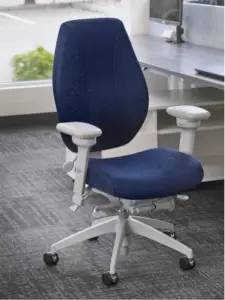
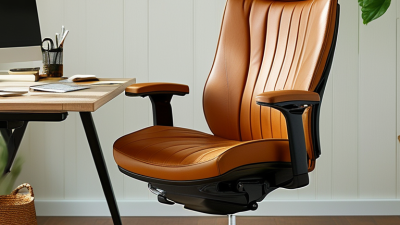
An upholstered task chair works well in private offices, meeting rooms, and cooler climates. Its padded back feels comfortable during shorter, focused sessions. It also creates a more formal appearance. Yet fabric can retain dust and moisture, especially in busy shared spaces. Check cleaning instructions before purchasing.

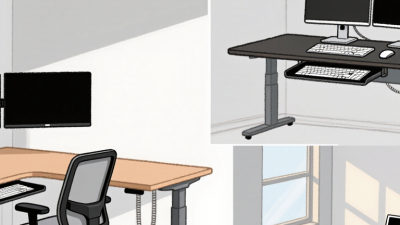
Compact chairs fit small apartments, classrooms, and flexible workstations. Look for a narrow base, adjustable seat height, and smooth casters. They should still provide stable support. A heavy executive-style chair may suit large desks and extended reading, but it can restrict movement. Bigger is not always better.

In workplace evaluations, seat depth often matters more than appearance. Your knees should remain free, with both feet resting on the floor. Test the recline mechanism and armrest range before ordering internationally. Also verify assembly instructions, replacement parts, warranty terms, and local service options. Standards differ between markets. A chair that feels excellent for one hour may disappoint after six. I once favored softer padding, but prolonged use revealed weaker support. Personal testing remains imperfect, yet it exposes problems product photos cannot show.

How Global Buyers Should Compare Quality and Value

2026 Top Task Chairs for Global Buyers?

Global buyers should compare value, not the lowest invoice. Fortune Business Insights estimates the global office furniture market reached about US$58 billion in 2023. That scale increases supplier choice, but it also hides uneven specifications. A chair priced at US$120 may need early replacement. A US$240 chair may deliver better lifetime value.

Ask for measurable evidence. Check seat-foam density, base material, caster testing, adjustment ranges, and load ratings. Require testing against ANSI/BIFMA X5.1 or an equivalent national standard. ISO 9241-5 also offers useful ergonomic guidance for adjustable workstation seating. These references do not guarantee comfort. They make comparison more reliable.

Test the chair with real users. Sit for 30 minutes, then inspect pressure near the thighs and lower back. Measure armrest height against different desks. Confirm replacement parts, warranty length, packaging protection, and delivery terms. The landed cost includes freight, duties, damaged units, and service delays. It is often overlooked.

Look beyond the brochure. A 2024 market outlook from Grand View Research places office furniture growth in the mid-single digits through 2030, showing continued investment in workplace equipment. Yet forecasts cannot predict every buyer’s body or working habit. Our own first impressions have been wrong before. A smooth recline felt impressive, but a narrow seat caused discomfort after several hours. Value needs repeated use, documented testing, and honest feedback—not attractive photographs alone.

International Purchasing, Safety, and Maintenance Considerations

2026 Top Task Chairs for Global Buyers?

International Purchasing, Safety, and Maintenance Considerations

Global buyers should judge task chairs by verified performance, not appearance. The World Health Organization reports that 1.71 billion people live with musculoskeletal conditions worldwide. EU-OSHA has also reported musculoskeletal complaints among roughly three in five European workers. A chair should support adjustable seat depth, lumbar height, arm width, and recline tension. Ask suppliers for testing against applicable ANSI/BIFMA, EN 1335, or equivalent standards. Requirements differ by destination. Fire performance, chemical limits, packaging rules, and documentation may also vary. A certificate without a traceable test report deserves caution.

Tips: Request a sample before volume purchasing. Test it with different body sizes. Check five-point base stability, caster movement, and weight capacity. Confirm spare parts, cleaning instructions, and warranty terms in writing. For international shipments, inspect cartons for crushed corners and moisture marks. I have seen small packaging failures create large maintenance costs. That lesson is easy to underestimate.

Maintenance planning should begin before the purchase order. Choose replaceable casters, gas lifts, arm pads, and upholstery components where possible. Provide neutral cleaning guidance, because strong solvents can damage finishes and void warranties. Keep a simple inspection log every six months. Check loose screws, uneven height, cracked plastics, and sinking cylinders. The less attractive question is often the most important: can local technicians repair the chair without waiting months for parts? A lower purchase price may not remain lower.