Top 10 Types of Home Office Chairs for Global Buyers
Choosing the right chair can reshape a working day. Home Office Chairs affect posture, focus, comfort, and long-term satisfaction. Global buyers face many options, from breathable mesh models to padded executive designs. Each type answers a different need.
A compact task chair may suit a small apartment. A drafting chair can support raised desks and studio counters. Kneeling chairs encourage a different sitting angle. Saddle chairs promote active movement, while gaming chairs often provide deeper cushions and stronger side support. Ergonomic chairs usually offer adjustable lumbar support, armrests, seat depth, and recline tension. These details are not decorative. They change how the body feels after six hours.
Fit is personal.
Material choice also matters across climates. Mesh may feel cooler in humid rooms. Fabric can feel warmer and quieter. Leather or synthetic upholstery may look professional, but heat retention deserves attention. Buyers should check weight capacity, product dimensions, warranty terms, replacement parts, and assembly requirements. Measurements on a screen can feel surprisingly different at home.
No chair suits everyone. That assumption fails. Even highly rated models may cause discomfort when seat height or desk position is wrong. This guide compares ten practical types of Home Office Chairs through comfort, adjustability, durability, maintenance, and value. It considers real working conditions, not only showroom appearance. Readers can make a more informed choice by matching chair design with body needs, work habits, room size, and local climate. Expect useful comparisons, but leave room for personal testing. Your best chair may not be the most expensive one.
Classifying the Top 10 Home Office Chair Types by Function and Design
Top 10 Types of Home Office Chairs for Global Buyers
The 2023 U.S. Bureau of Labor Statistics American Time Use Survey found that 27.5% of employed people worked from home on workdays. That figure makes chair selection a functional decision, not just a décor choice. A practical classification includes ten types: ergonomic task, mesh-back, executive, compact, folding, kneeling, saddle, drafting, reclining, and active-sitting chairs.
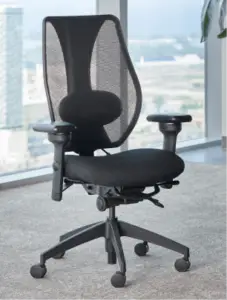
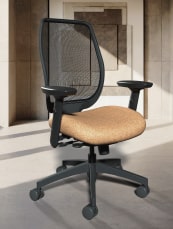
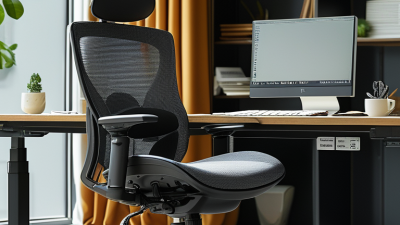
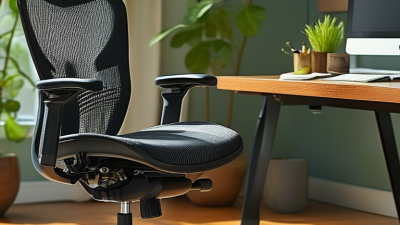
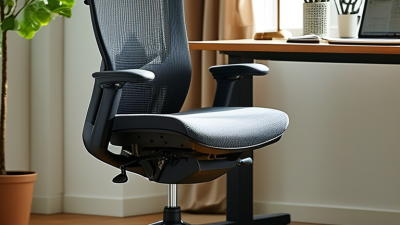
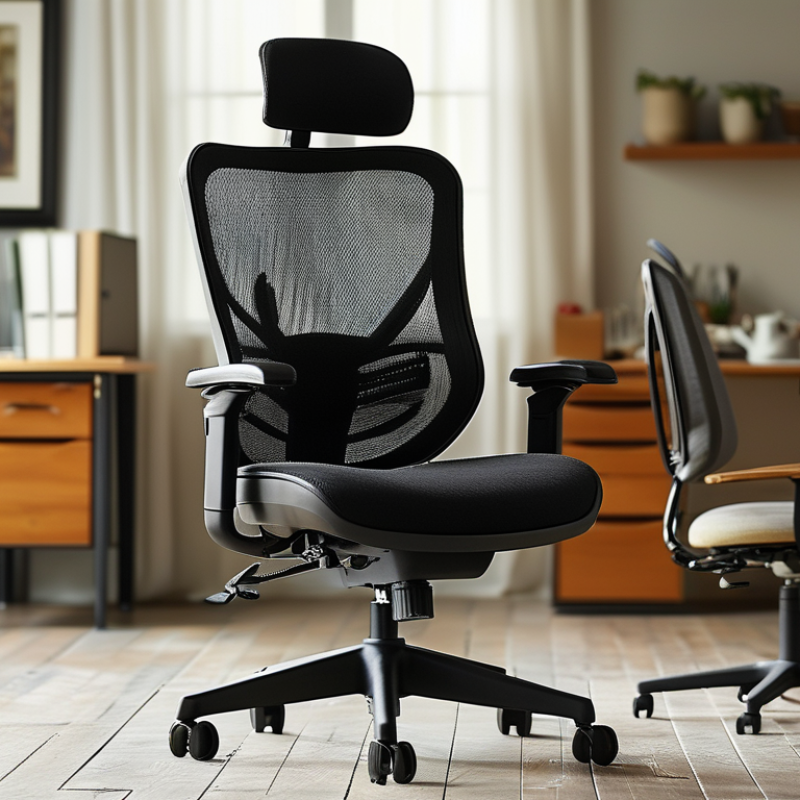
Ergonomic task chairs prioritize adjustable seat depth, lumbar support, armrests, and tilt tension. Mesh-back models improve airflow in warm rooms.
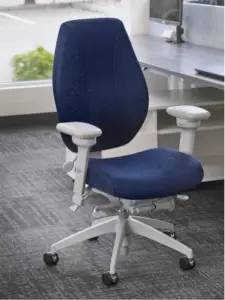
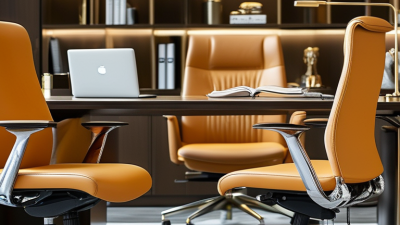
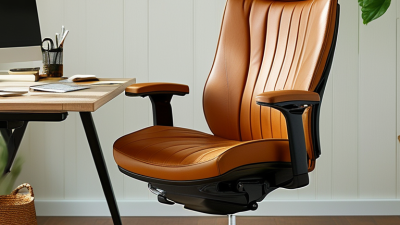
Executive chairs offer thicker padding and a larger silhouette, but they can trap heat. Compact and folding designs suit bedrooms or shared apartments.
Kneeling and saddle chairs change hip angles, though they may fatigue new users. Drafting chairs fit standing desks with foot rings.
Reclining chairs support breaks and video calls. Active-sitting models encourage small movements.
The National Institute for Occupational Safety and Health stresses adjustability and neutral working postures in computer workstations. Fit matters more than appearance. A short user may need a shallow seat, while a taller user may require a higher backrest. Measure the desk, too.
No chair solves every problem. I remain cautious about “active” designs. More movement is not automatically better. Users should test pressure points, stability, and support for at least several working sessions before buying. A beautiful chair can still fail quietly.
Ergonomic Benchmarks: 40–52 cm Seat Height and 90°–110° Recline
Top 10 Types of Home Office Chairs for Global Buyers
Seat height is a practical starting point, not a decorative specification. ANSI/BIFMA G1-2017 commonly uses an adjustable range near 40–52 cm for office seating. This range supports shorter and taller users, but desk height still matters. Your feet should rest flat, with knees close to hip level. OSHA’s Computer Workstations guidance also stresses supported feet and relaxed shoulders. A chair can meet the number and still feel wrong.
The backrest angle deserves equal attention. A 90° position supports upright typing, while 100°–110° often reduces pressure during reading or video calls. A 2023 review in Applied Ergonomics reported that adjustable seating can improve comfort, although evidence varies by user and task. The U.S. Bureau of Labor Statistics recorded musculoskeletal disorders in 33% of private-industry days-away-from-work cases in 2023. That figure does not prove one chair prevents injury. It does show why adjustability matters.
Tips: Measure first. Keep 2–4 fingers between the seat edge and your knees. Test the chair with your real desk. Check whether the recline locks smoothly. Mesh, executive, saddle, kneeling, drafting, and active chairs all behave differently. My practical mistake was trusting a generous height range without checking armrest clearance. Numbers need context. A 110° recline may feel excellent for reading, yet unstable during detailed mouse work. Allow personal testing, especially for international buyers managing different desks and body proportions.
Top 10 Types of Home Office Chairs for Global Buyers
Representative category midpoints based on commonly published specifications. The ergonomic reference range is 40–52 cm for seat height and 90°–110° for recline angle. Individual models may vary.
Adjustable ergonomic, mesh, task, and active-sitting chairs generally align most closely with the benchmark ranges. Drafting chairs are designed for higher work surfaces and may require a foot ring, while kneeling and saddle chairs use different posture-support principles.
Selecting Chair Types by Work Hours, Desk Height, Climate, and User Needs
Top 10 Types of Home Office Chairs for Global Buyers
Chair selection should begin with work hours, not appearance. The WHO and ILO estimated 745,000 deaths were linked to long working hours in 2016. Extended sitting also increases fatigue, even when posture looks acceptable. For four-hour users, a basic task chair may provide enough movement and lumbar support. Eight-hour users need adjustable seat depth, armrests, back tension, and breathable materials. Heavy users may prefer an ergonomic chair with a reinforced base. A perfect chair is mostly a marketing idea.
Desk height changes the decision. A standard desk often suits a height-adjustable task chair, while a tall workstation may require a drafting chair with a foot ring. Saddle chairs and kneeling chairs can encourage different hip positions, but they are not comfortable for everyone. Stools work well for short sessions, not necessarily for full-day typing. I still adjust my seat several times daily. That habit matters more than advertised “ergonomic” claims.
Climate also affects long-term comfort. Mesh backs can improve airflow in humid regions, while padded upholstery may feel warmer but softer in dry, cool rooms. The U.S. Occupational Safety and Health Administration recommends adjustable workstations that support neutral wrists, relaxed shoulders, and feet on the floor. For smaller users, seat depth and armrest range deserve special attention. Taller users may need a higher back and longer cylinder. Consider caster performance on tile, carpet, and uneven flooring. Small mismatches become noticeable after six hours.